Passage du Commerce
Merry Alpern, Louis Backhouse, Thilda Bourqui, Edward Dean / Matthew Linde, Solomon Garçon, Adrien Genty, Arthur Gillet, The Guy Bourdin Estate, Ellen Poppy Hill, Niels Hung, Irini Karayannopoulou, Ferdinand Kalfoss, Leander Kreissl, Jesaja Kroessin, Sveta Mordovskaya, Nation, Josip Novosel, Janosch Schaffner, Karmel Spanier, Jordi Theler, Leevi Toija, Women's History Museum, Perla Zuñiga (a.o.) & Photos from Bildarchiv Winterthur
Curated by Sven Gex
13 December 2025 – 1 March 2026
Opening Friday 12 December, 6.30 pm
In the third space of Kunsthalle Winterthur
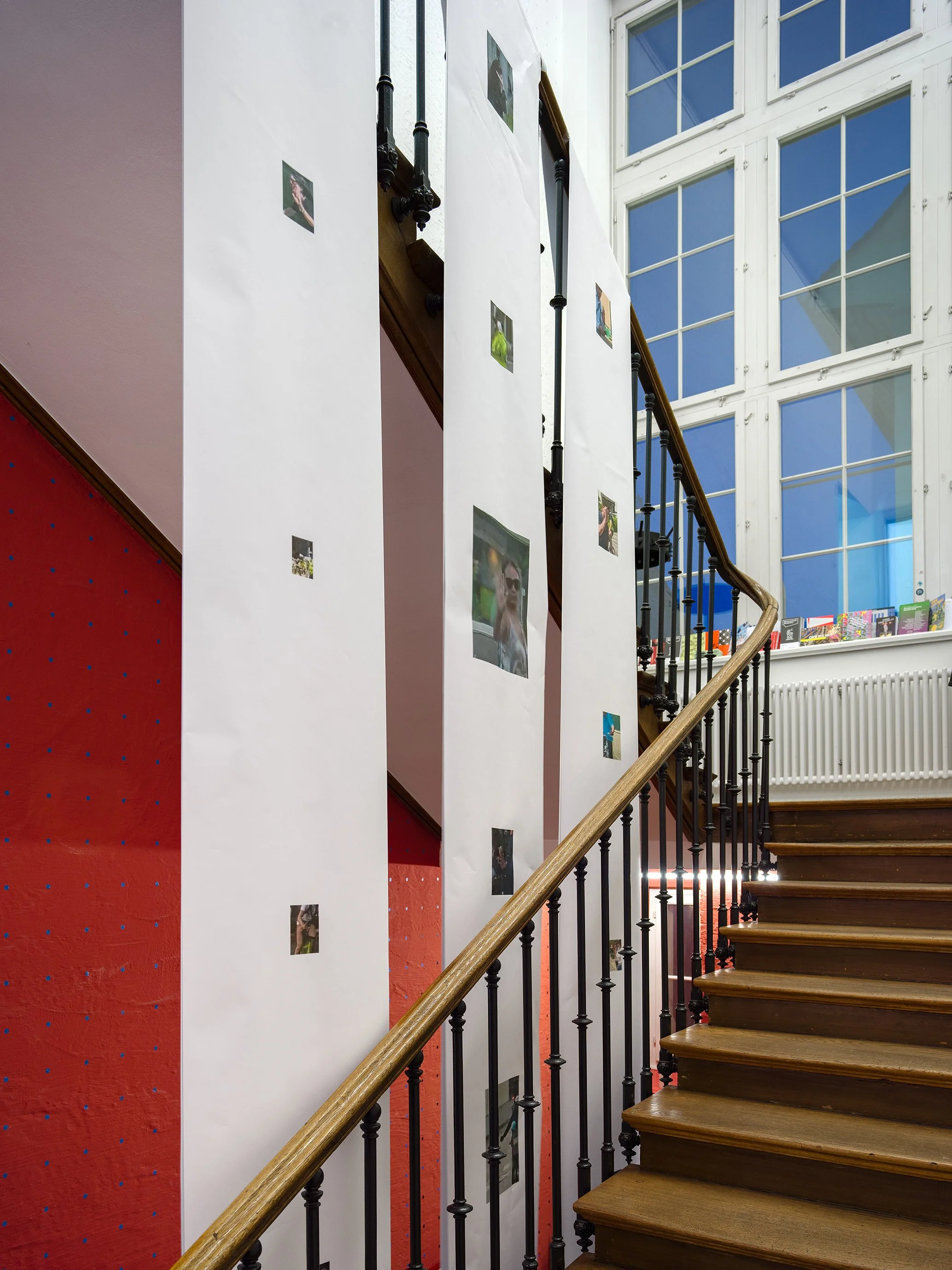
Leevi Toija, untitled (gestures), 2025, in Passage du Commerce, Kunsthalle Winterthur, 2025. Photo: Cedric Mussano
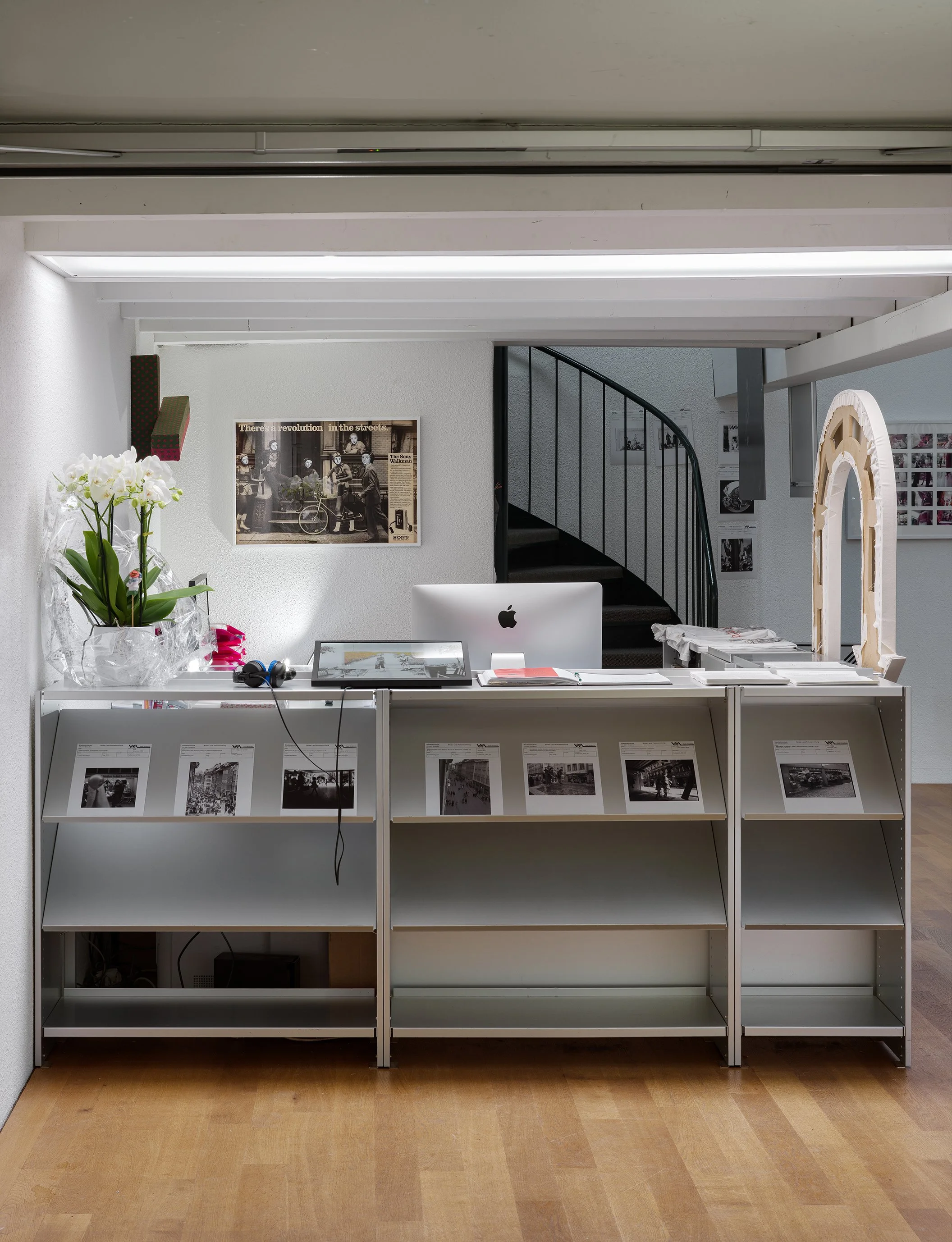
Passage du Commerce, Kunsthalle Winterthur, 2025. Photo: Cedric Mussano
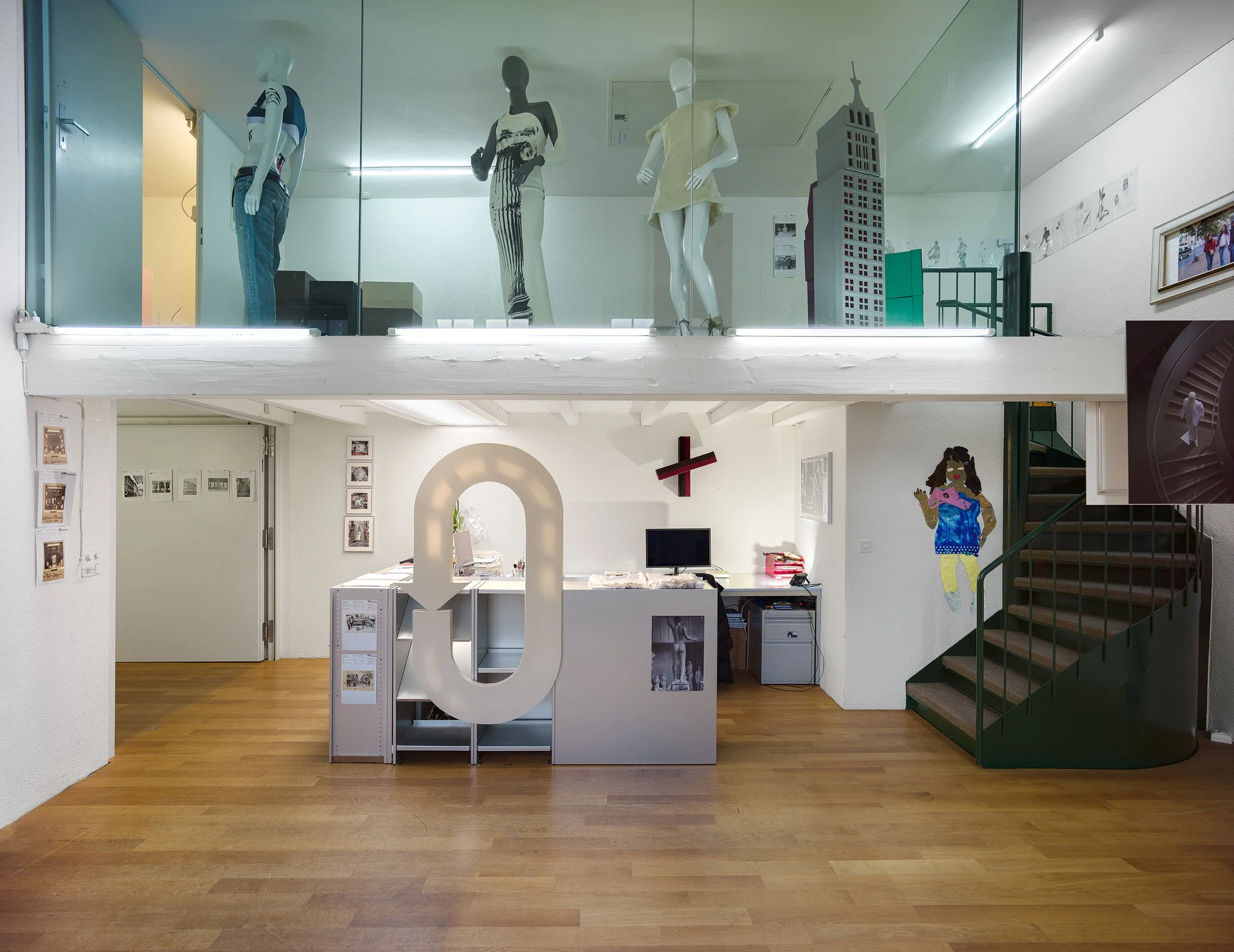
Passage du Commerce, Kunsthalle Winterthur, 2025. Photo: Cedric Mussano
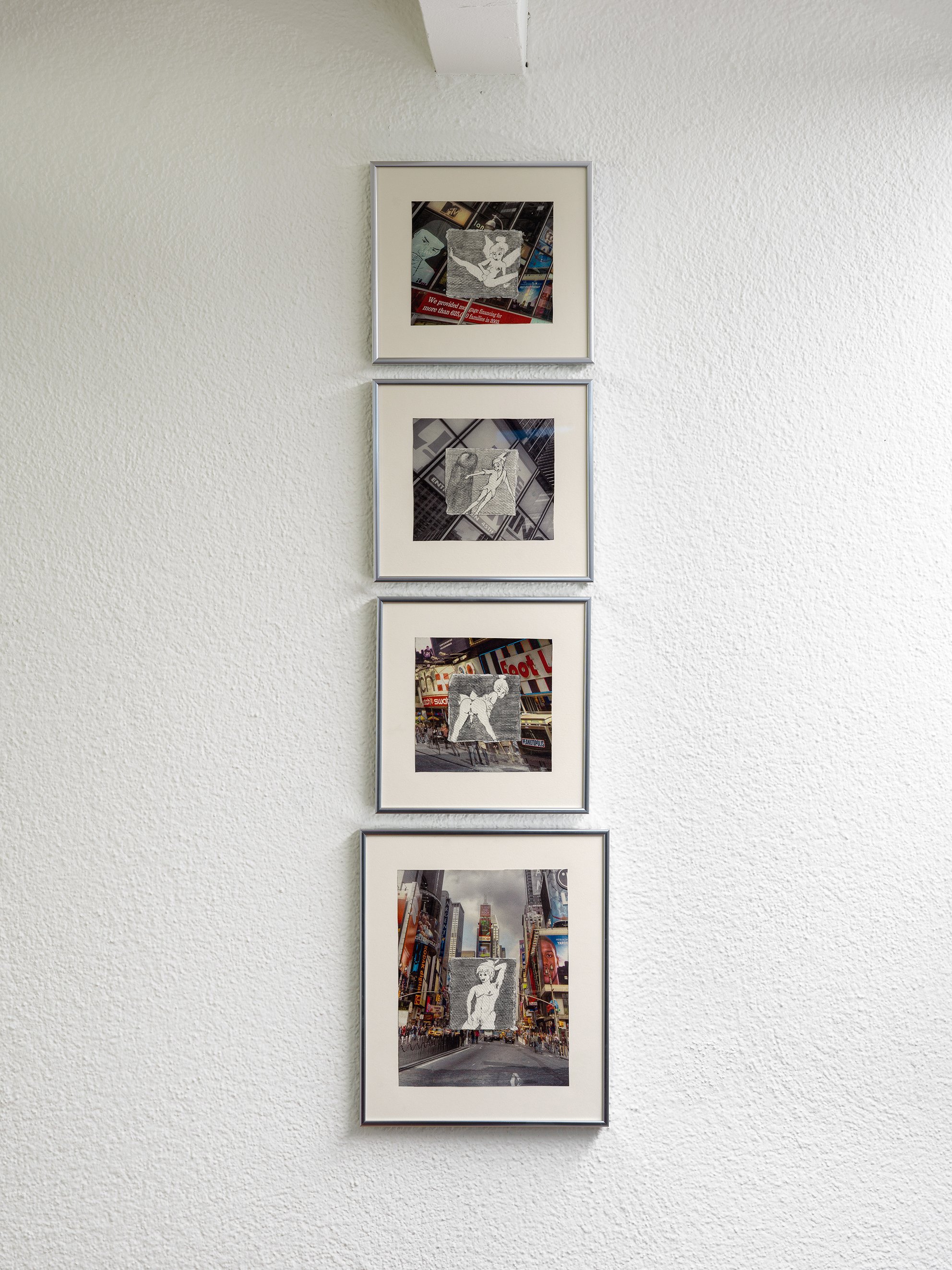
Perla Zuñiga, Neverland 2, Neverland 3, Neverland 4 & Neverland 1, 2024, in Passage du Commerce, Kunsthalle Winterthur, 2025. Photo: Cedric Mussano
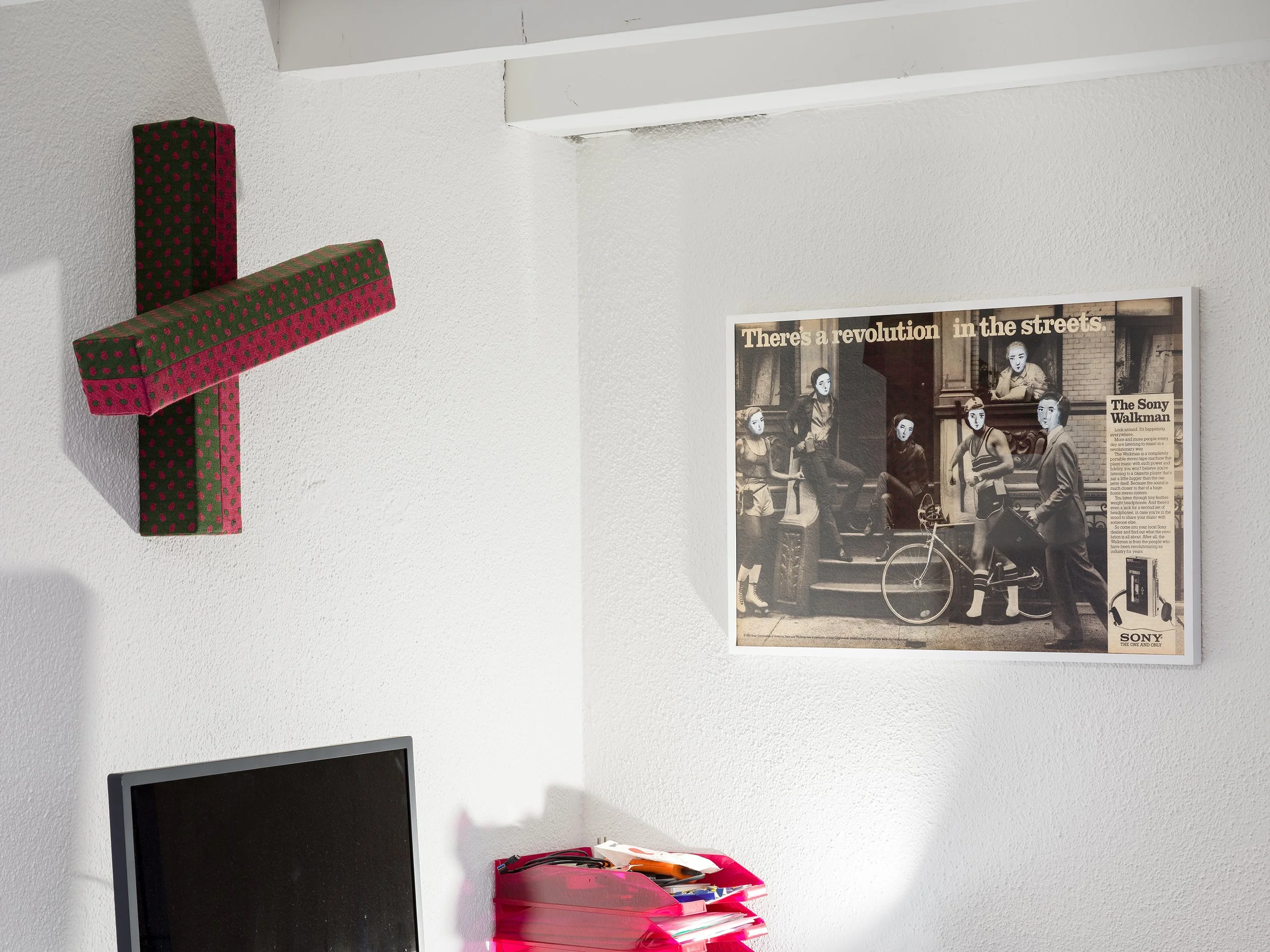
Adrien Genty, Mère, Parvaneh cross, 2025 / Irini Karayannopoulou, There’s a revolution in the streets, 2015, in Passage du Commerce, Kunsthalle Winterthur, 2025. Photo: Cedric Mussano
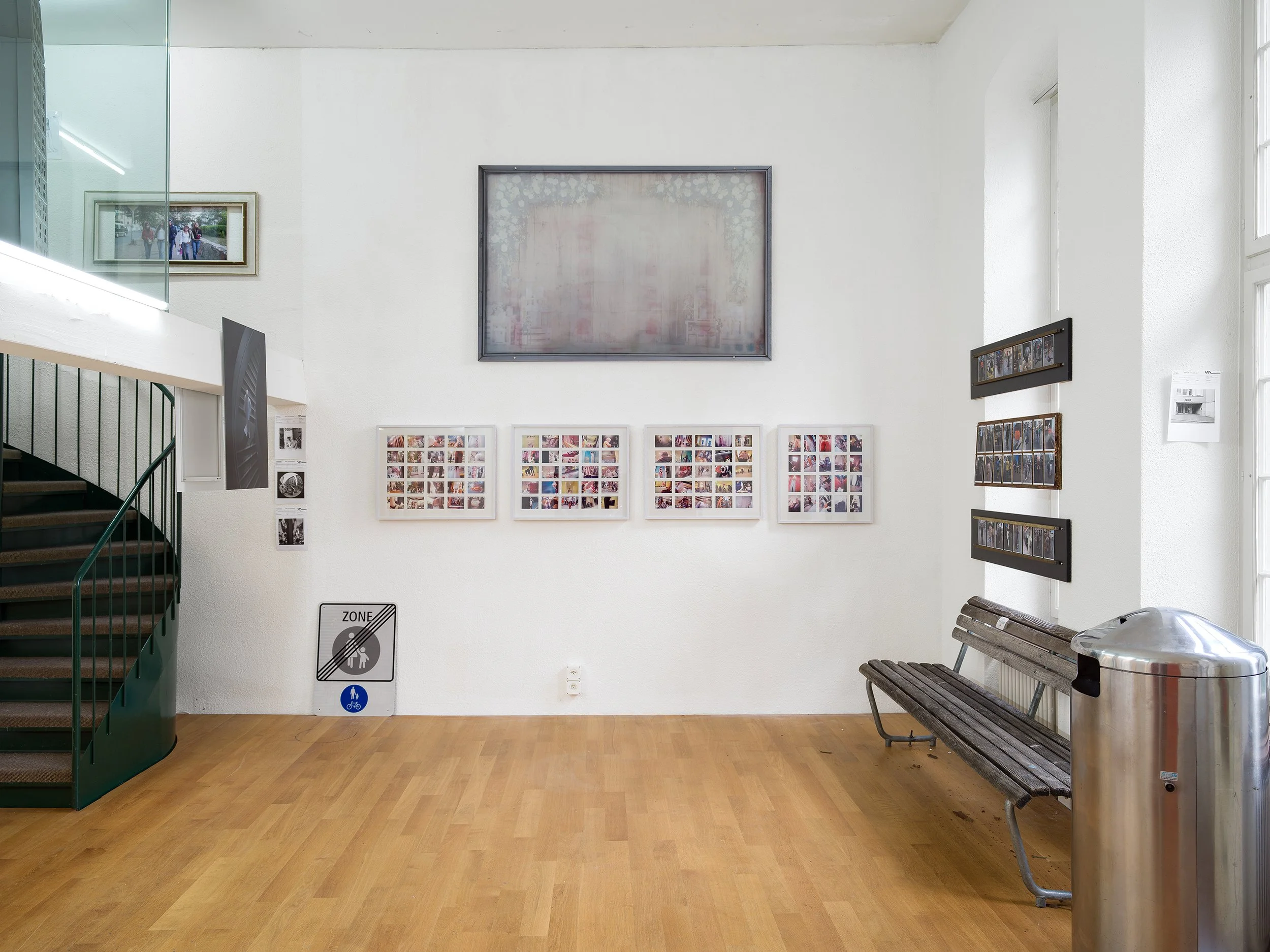
Passage du Commerce, Kunsthalle Winterthur, 2025. Photo: Cedric Mussano
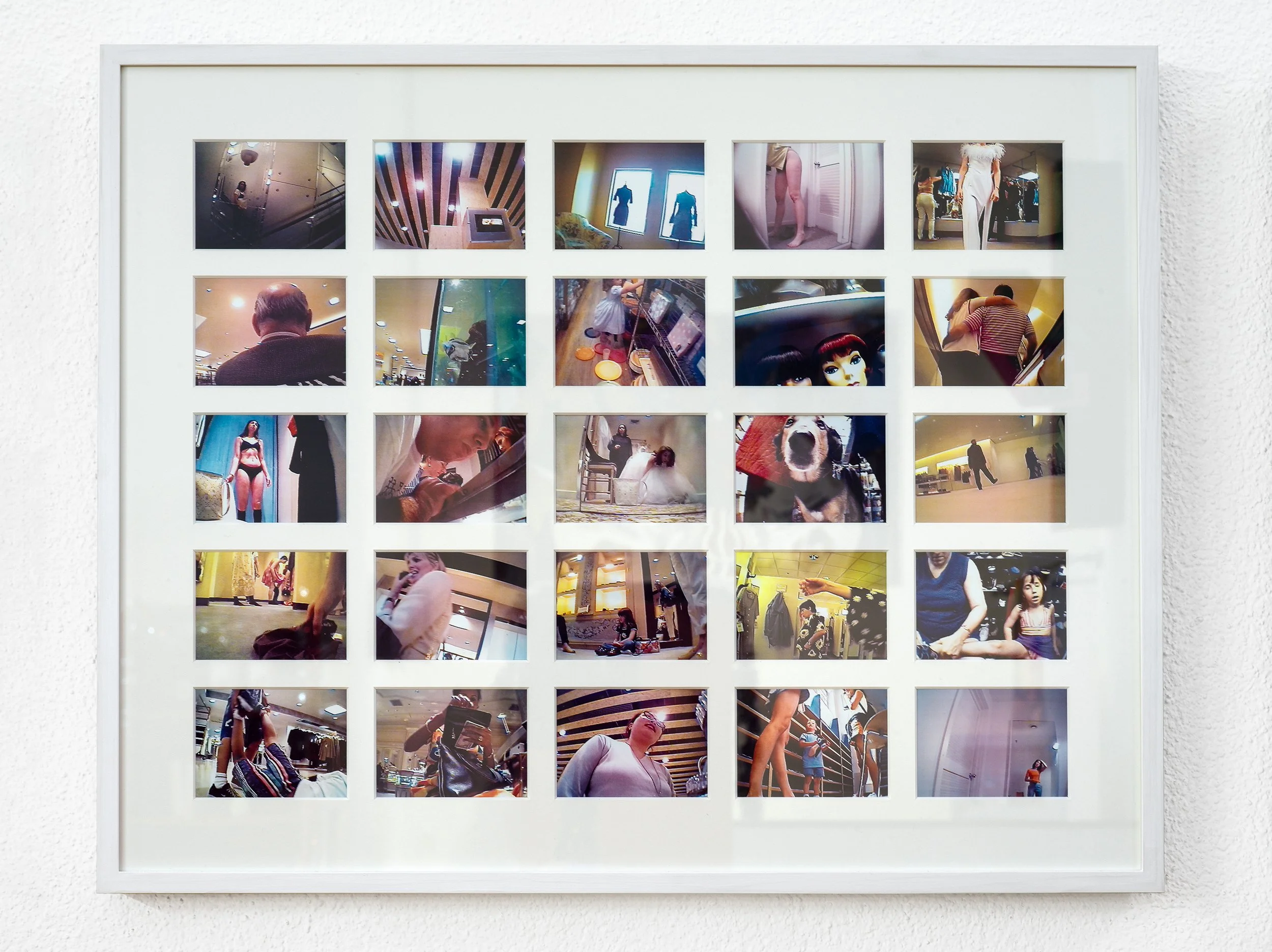
Merry Alpern, Photographic prints of stills from the artist’s 1999 film Shopping, in Passage du Commerce, Kunsthalle Winterthur, 2025. Photo: Cedric Mussano
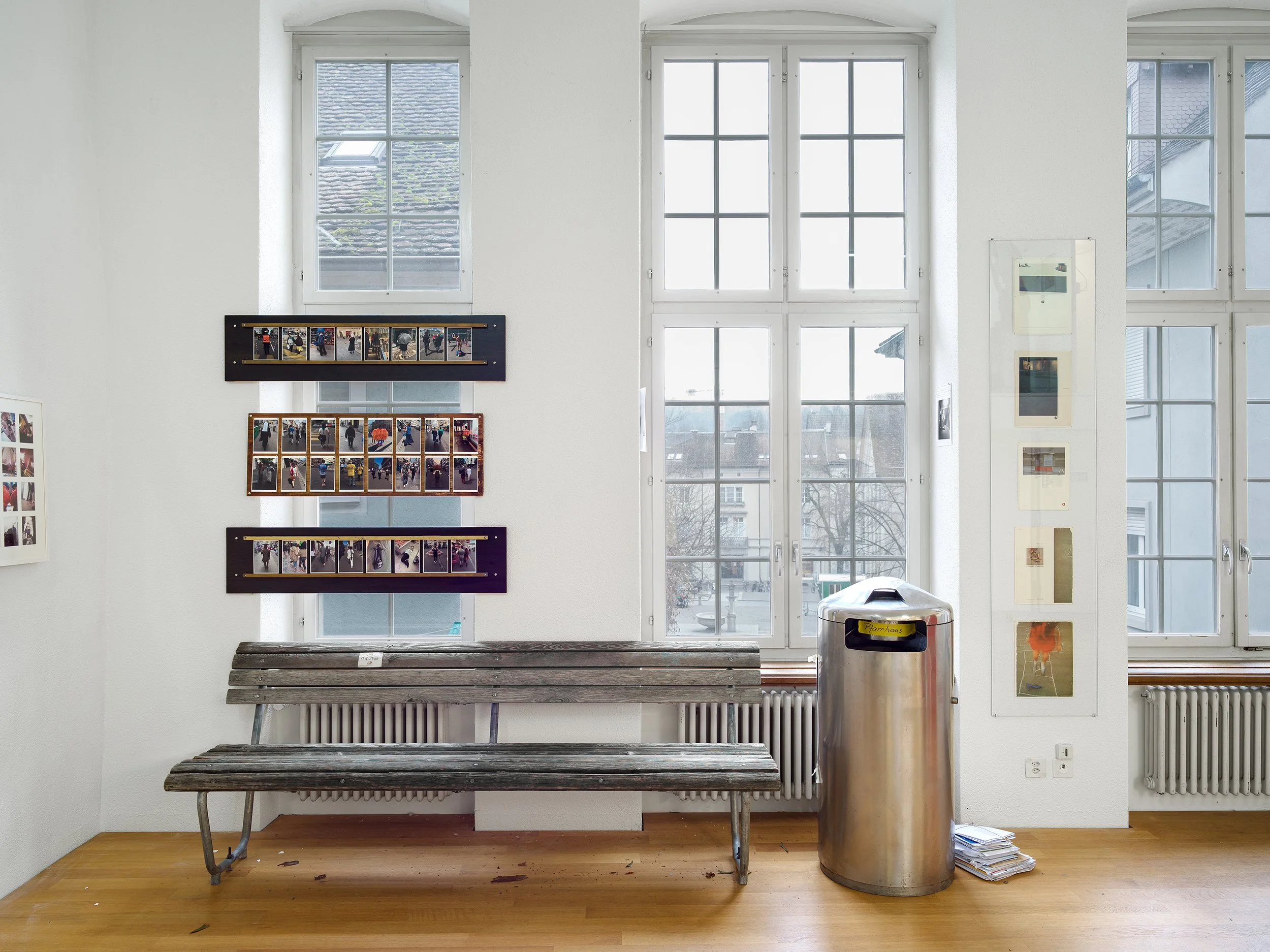
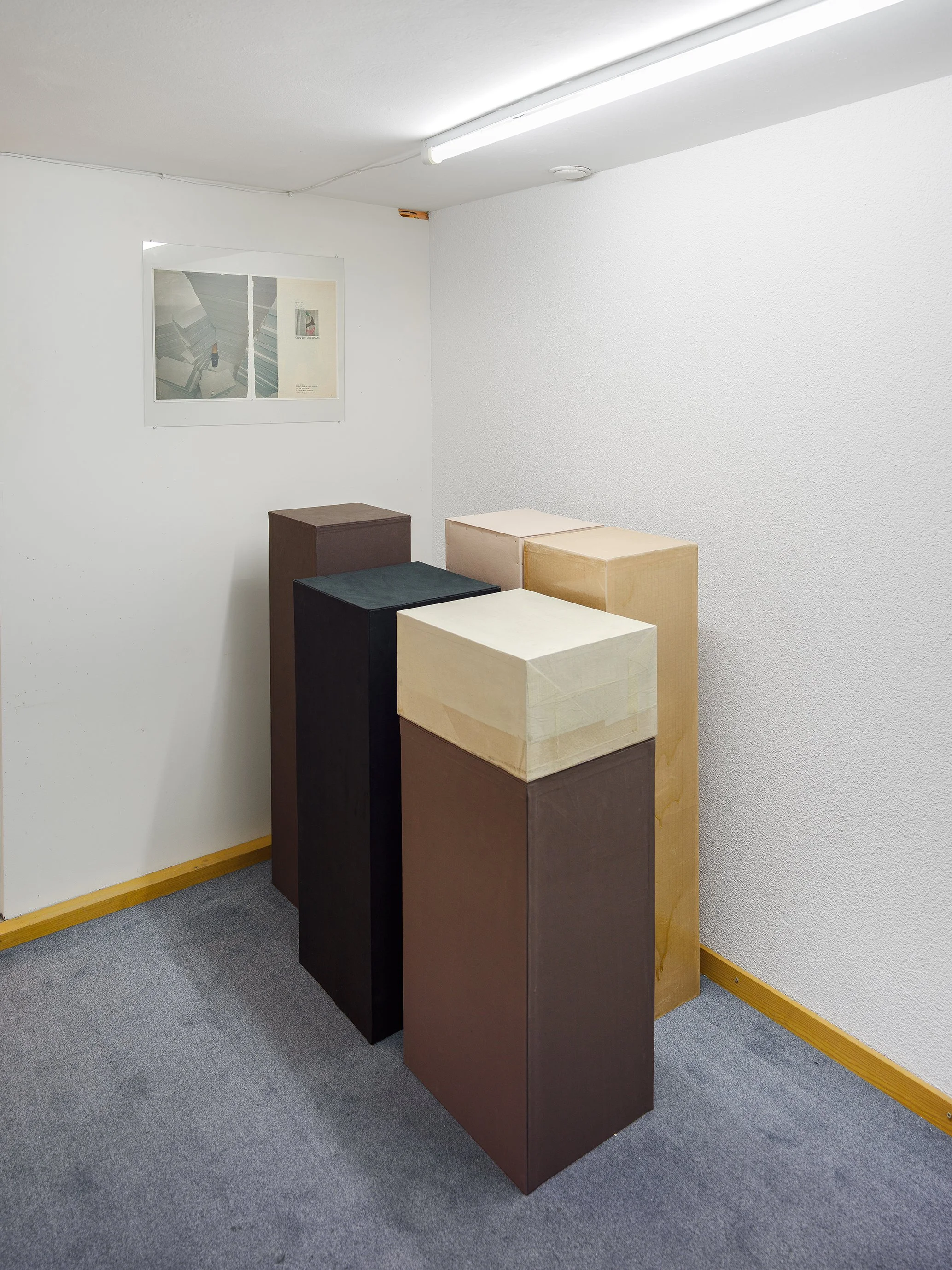
Janosch Schaffner, Untitled, 2025 / Guy Bourdin, Various ads for Charles Jourdin, 1967–1979, in Passage du Commerce, Kunsthalle Winterthur, 2025. Photo: Cedric Mussano
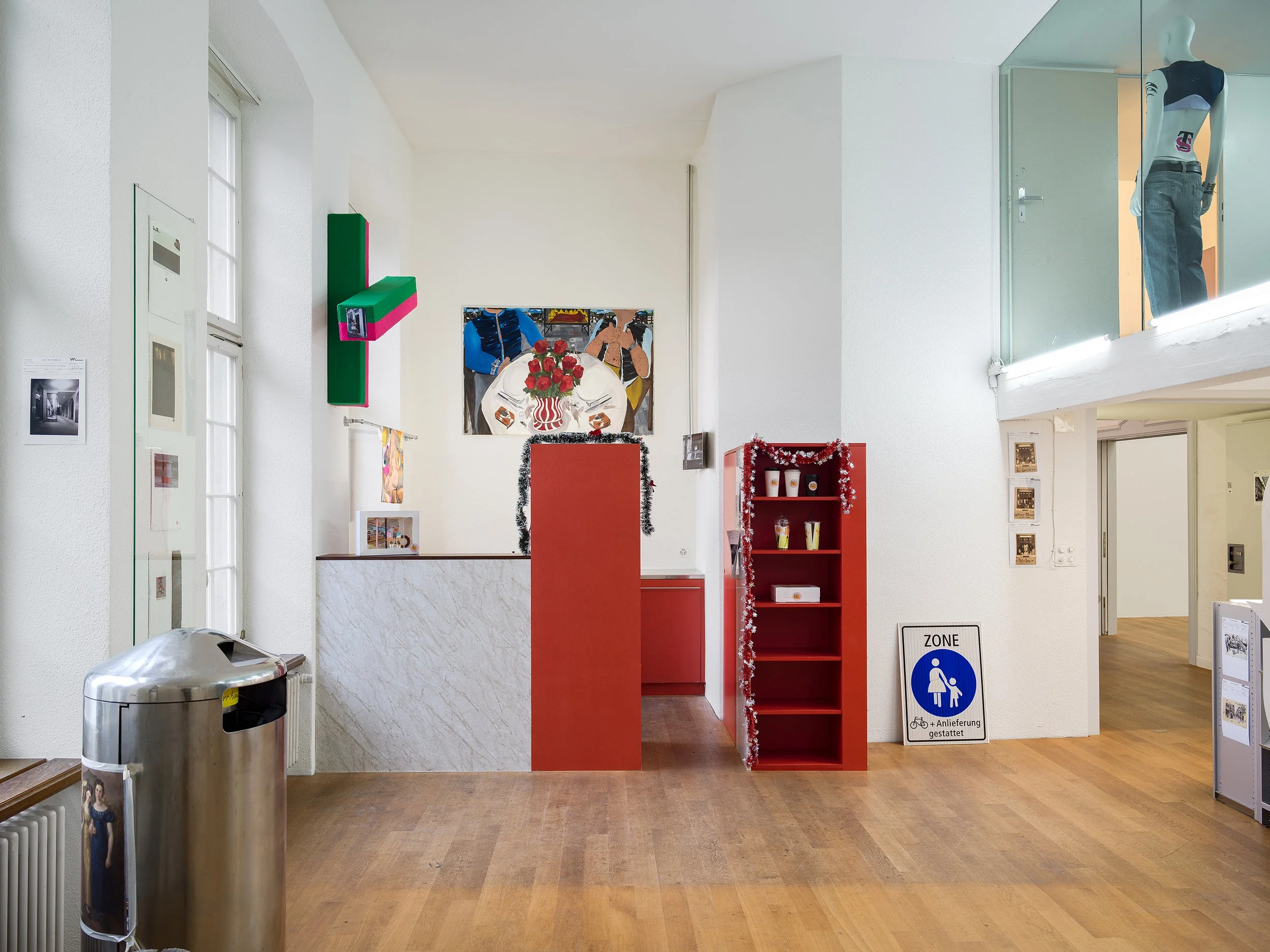
Passage du Commerce, Kunsthalle Winterthur, 2025. Photo: Cedric Mussano
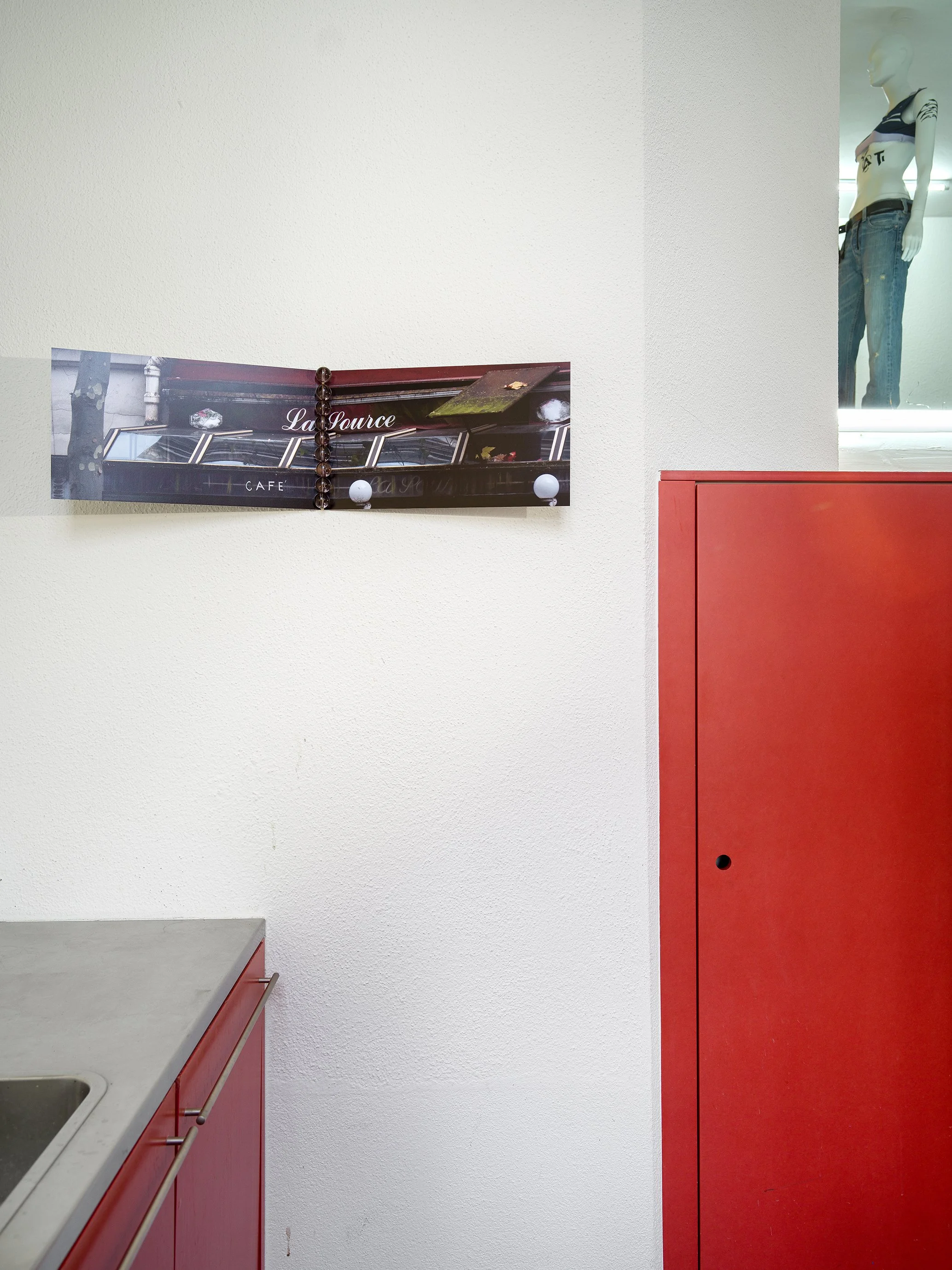
Adrien Genty, La Source, 2025 / Jesaja Kroessin, Girl, 2025, in Passage du Commerce, Kunsthalle Winterthur, 2025. Photo: Cedric Mussano
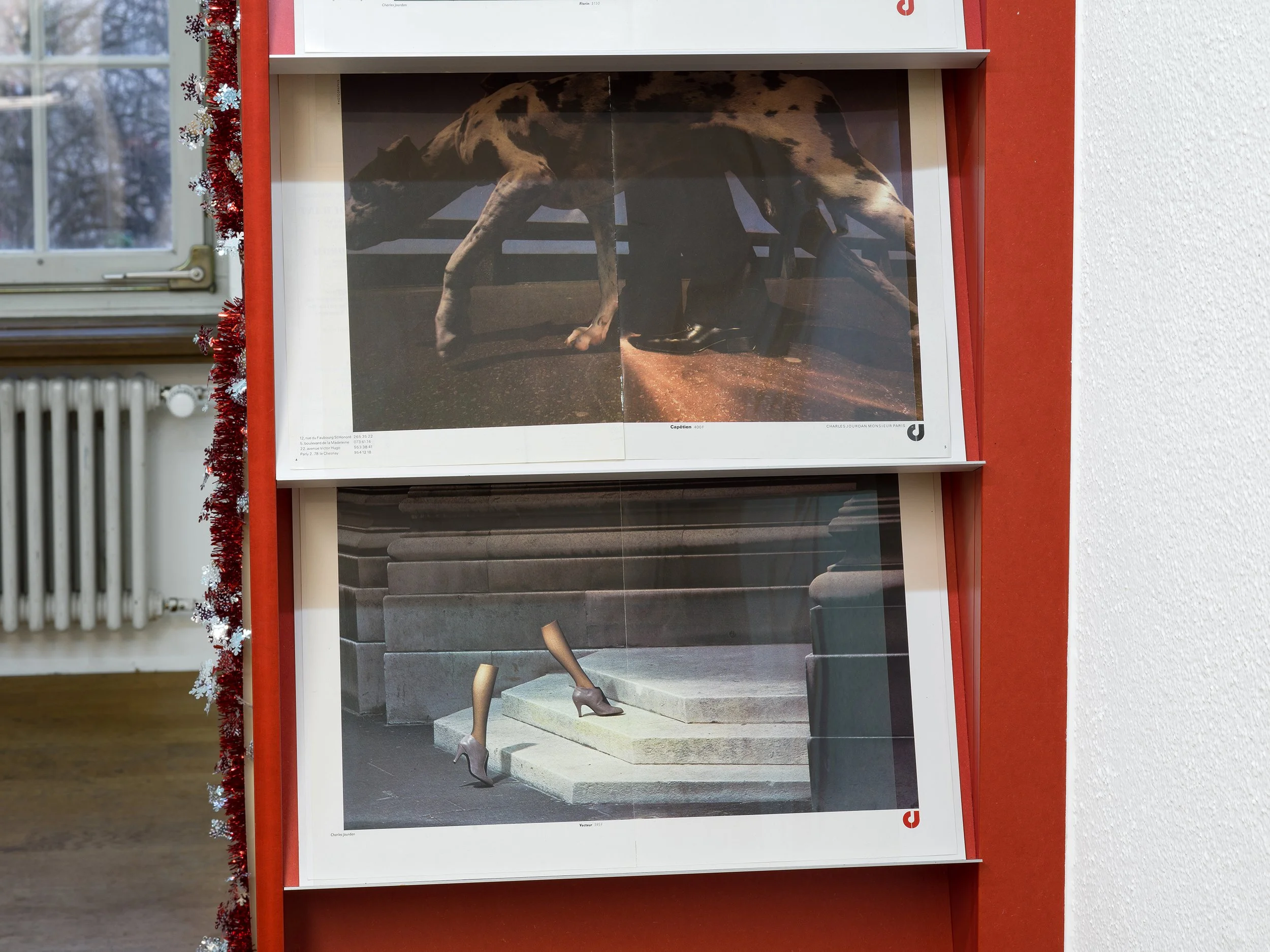
Guy Bourdin, Various ads for Charles Jourdan, 1967–1979, in Passage du Commerce, Kunsthalle Winterthur, 2025. Photo: Cedric Mussano
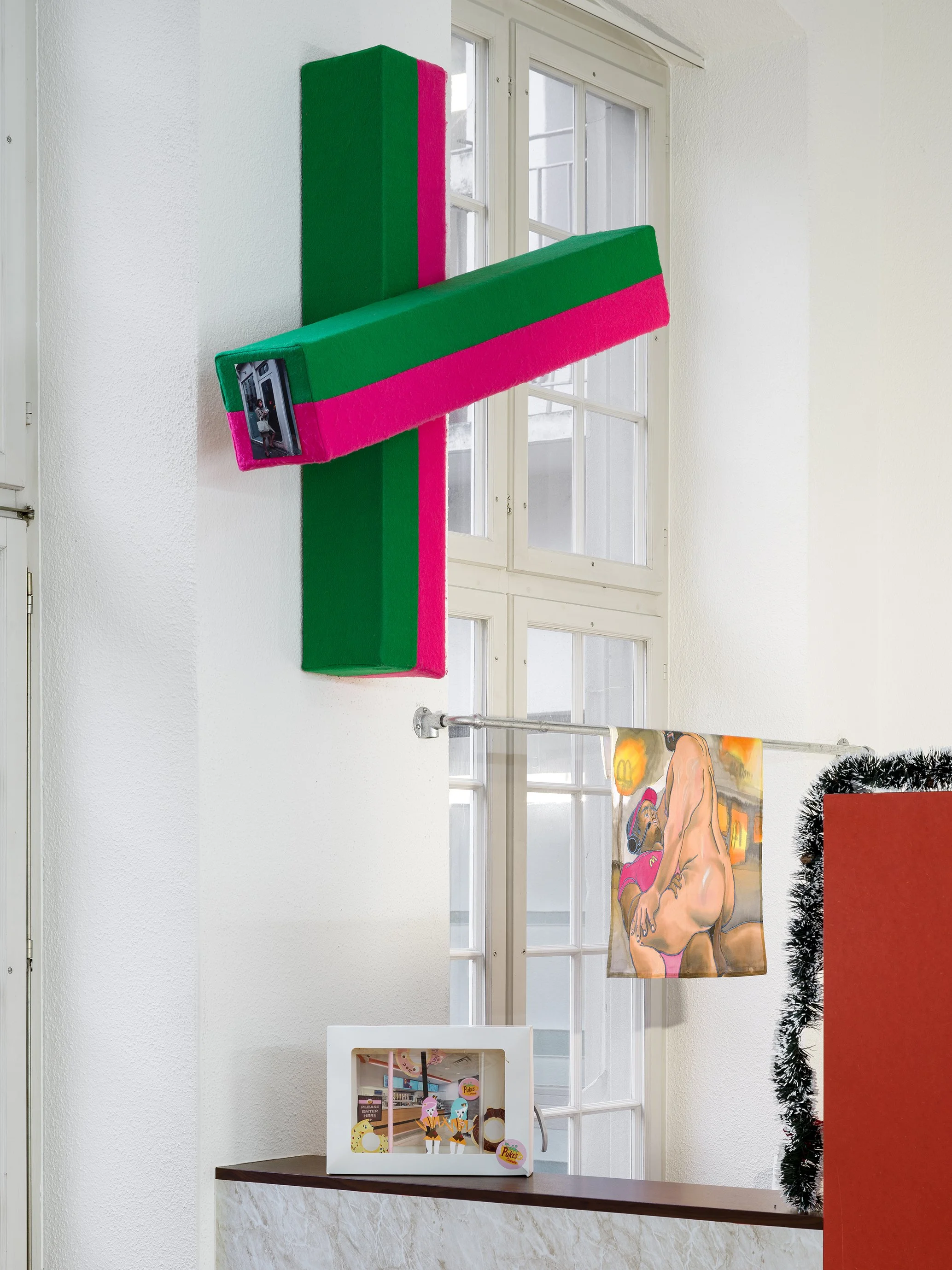
Adrien Genty, Mère, 2020 / Thilda Bourqui, Sweets, 2025 / Arthur Gillet, Minimum wage, 2024, in Passage du Commerce, Kunsthalle Winterthur, 2025. Photo: Cedric Mussano
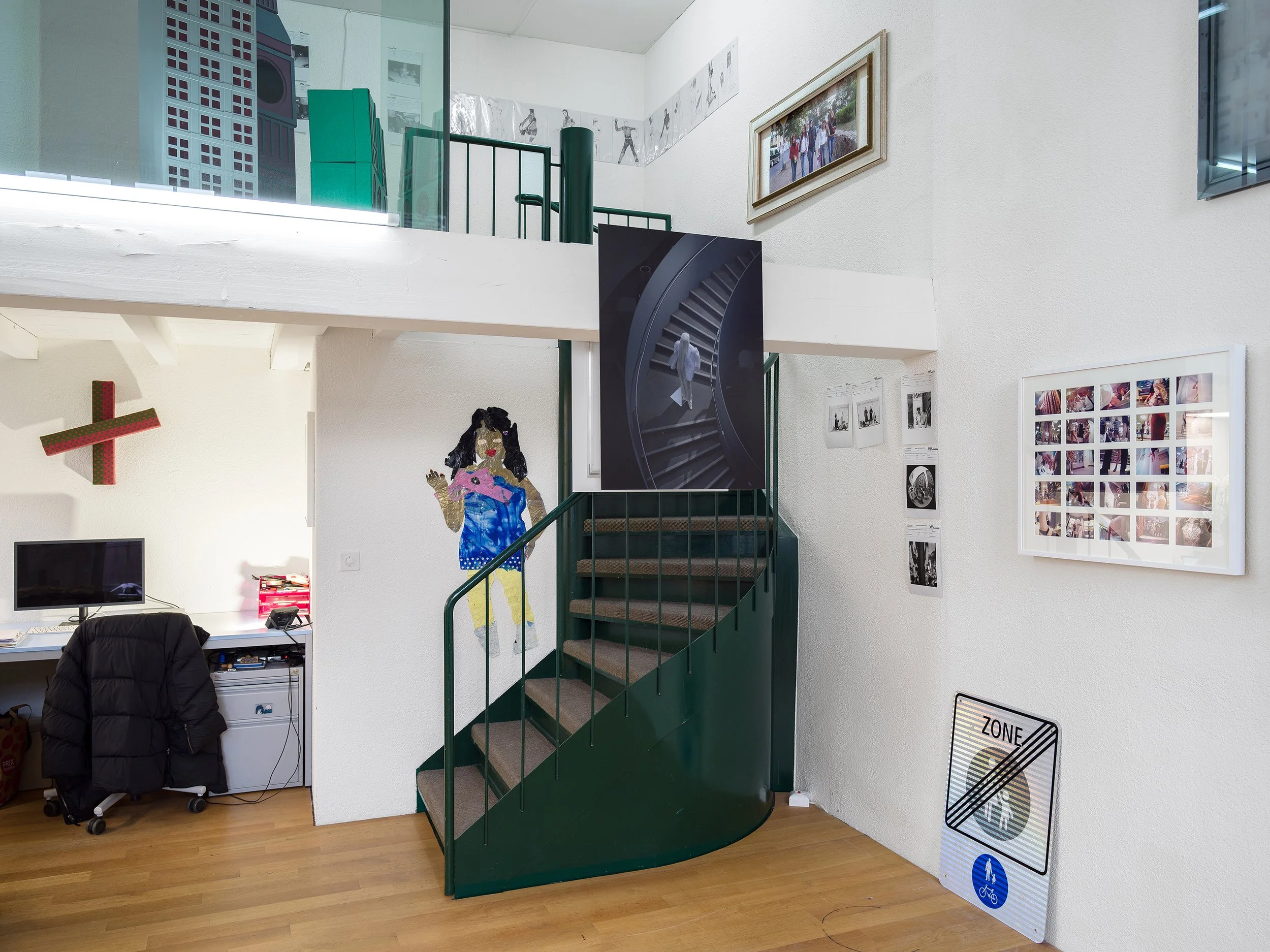
Passage du Commerce, Kunsthalle Winterthur, 2025. Photo: Cedric Mussano
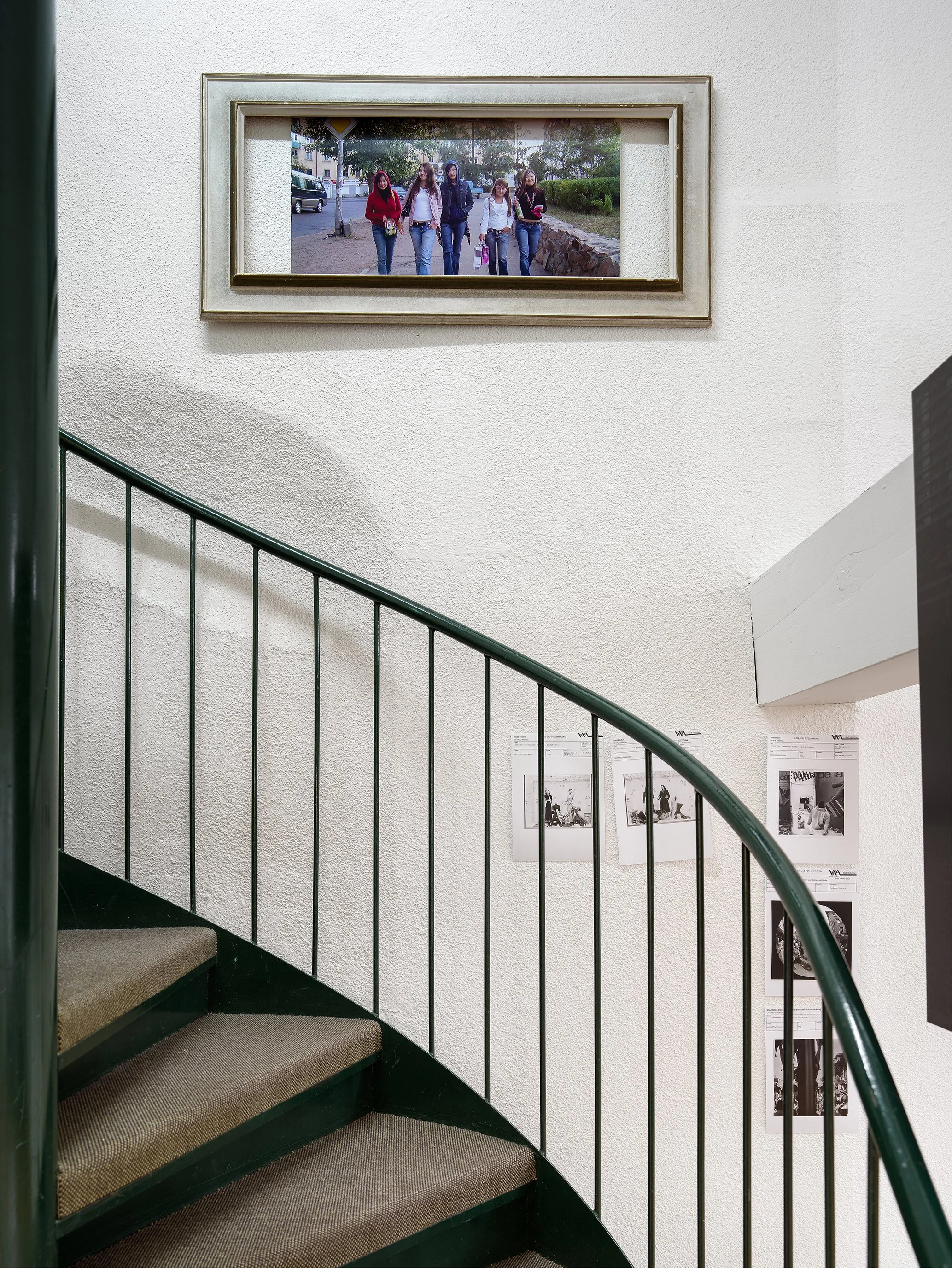
Sveta Mordovskaya, Keep Facing Sideways, 2025, in Passage du Commerce, Kunsthalle Winterthur, 2025. Photo: Cedric Mussano
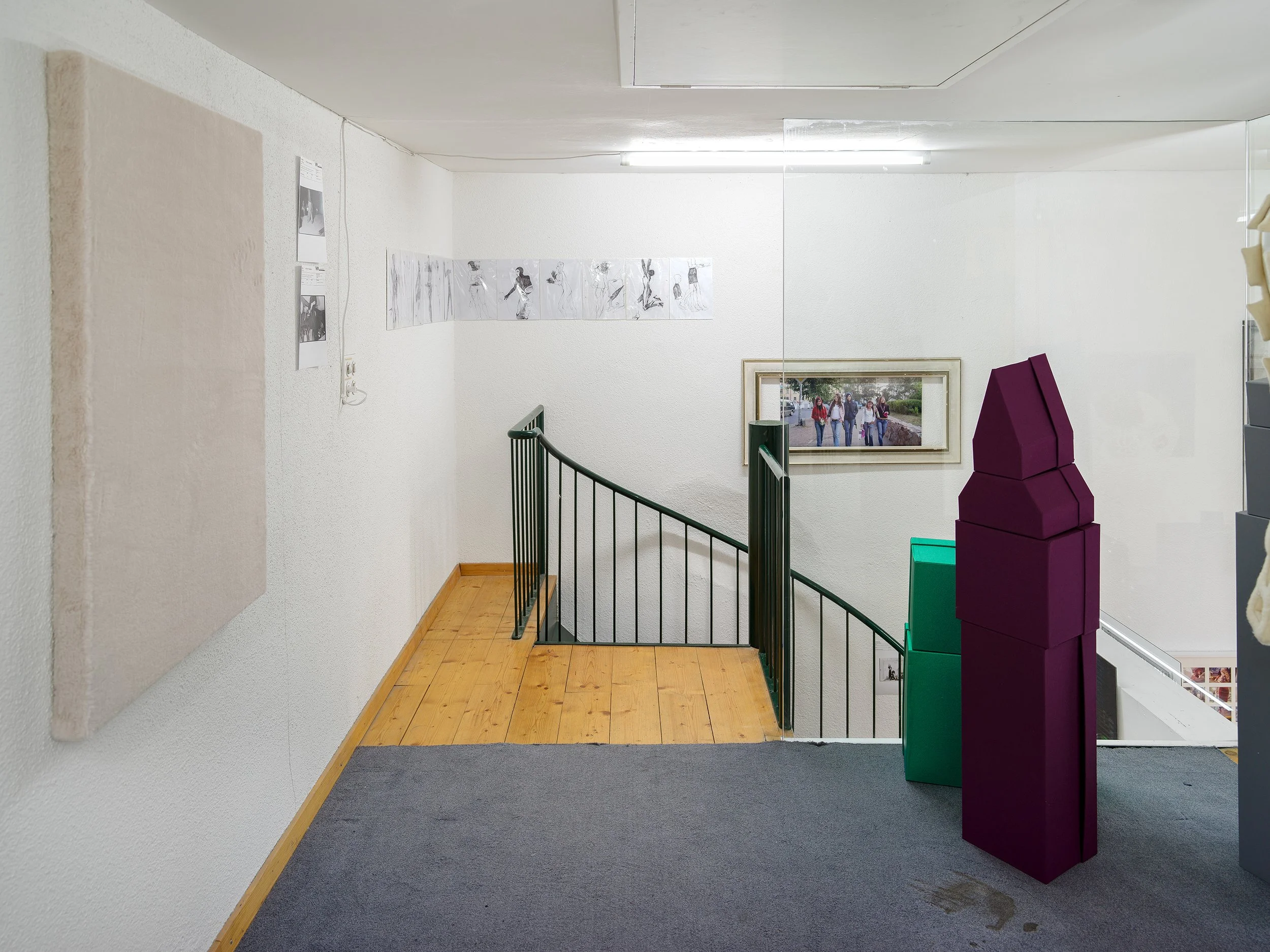
Solomon Garçon, Bonnie, 2025 / Louis Backhouse, Catwoman Drawings, 2024 / Sveta Mordovskaya, Keep Facing Sideways, 2025 / Ferdinand Kalfoss, Attractions (Landmarks) Empire, Notre Dame, Big Ben, 2025, in Passage du Commerce, Kunsthalle Winterthur, 2025. Photo: Cedric Mussano
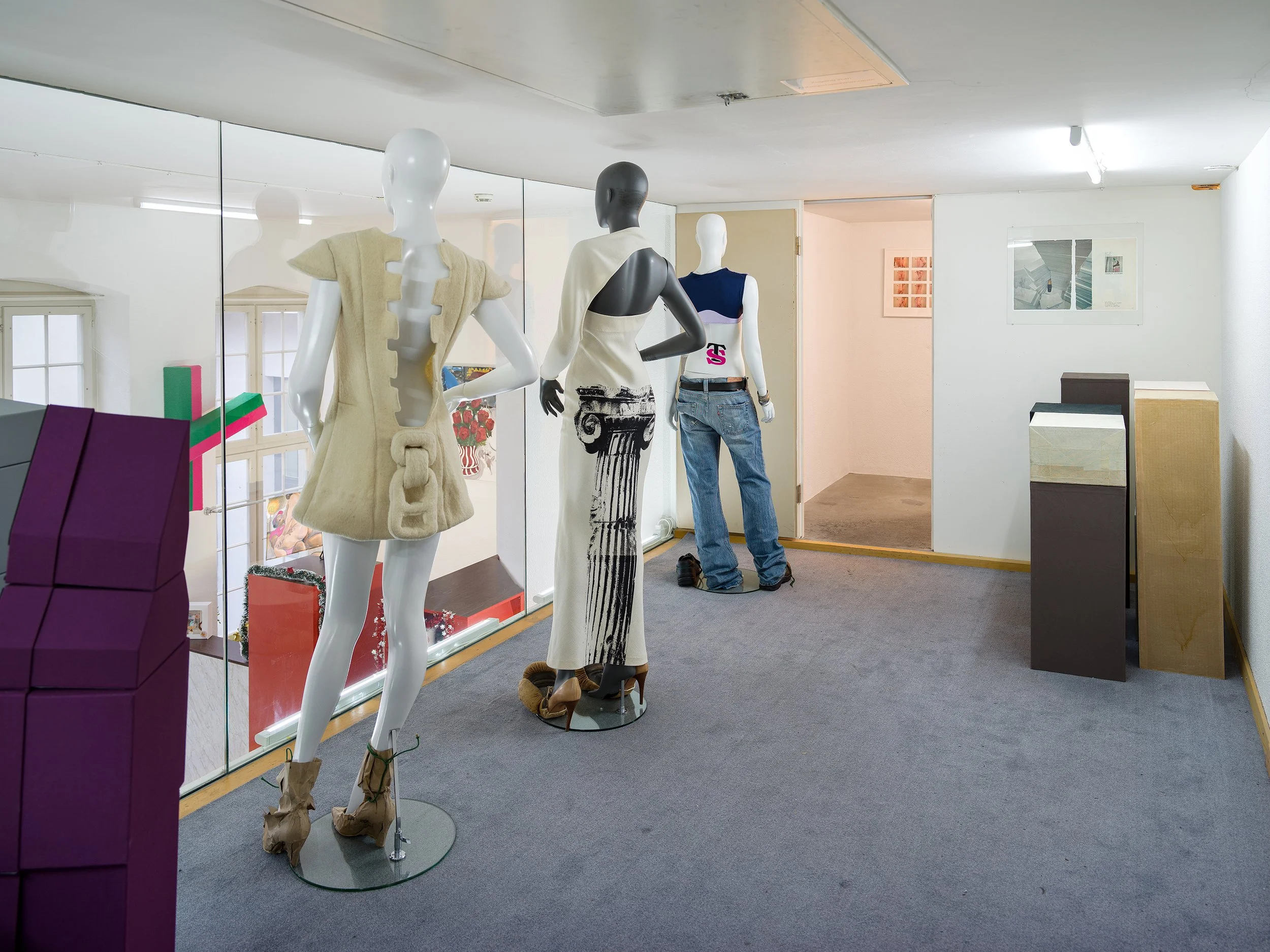
Ellen Poppy Hill, Zip Dress, 2024 & Paper Heels, 2025 / Women's History Museum, Column dress and Boxing Glove shoes, 2025 & 2024 / Jesaja Kroessin, Girl, 2025 / Leander Kreissl, Untitled, 2024 / Guy Bourdin, Various ads for Charles Jourdan, 1967–1979, in Passage du Commerce, Kunsthalle Winterthur, 2025. Photo: Cedric Mussano
Leander Kreissl, Untitled, 2024 / Guy Bourdin, Various ads for Charles Jourdan, 1967–1979, in Passage du Commerce, Kunsthalle Winterthur, 2025. Photo: Cedric Mussano
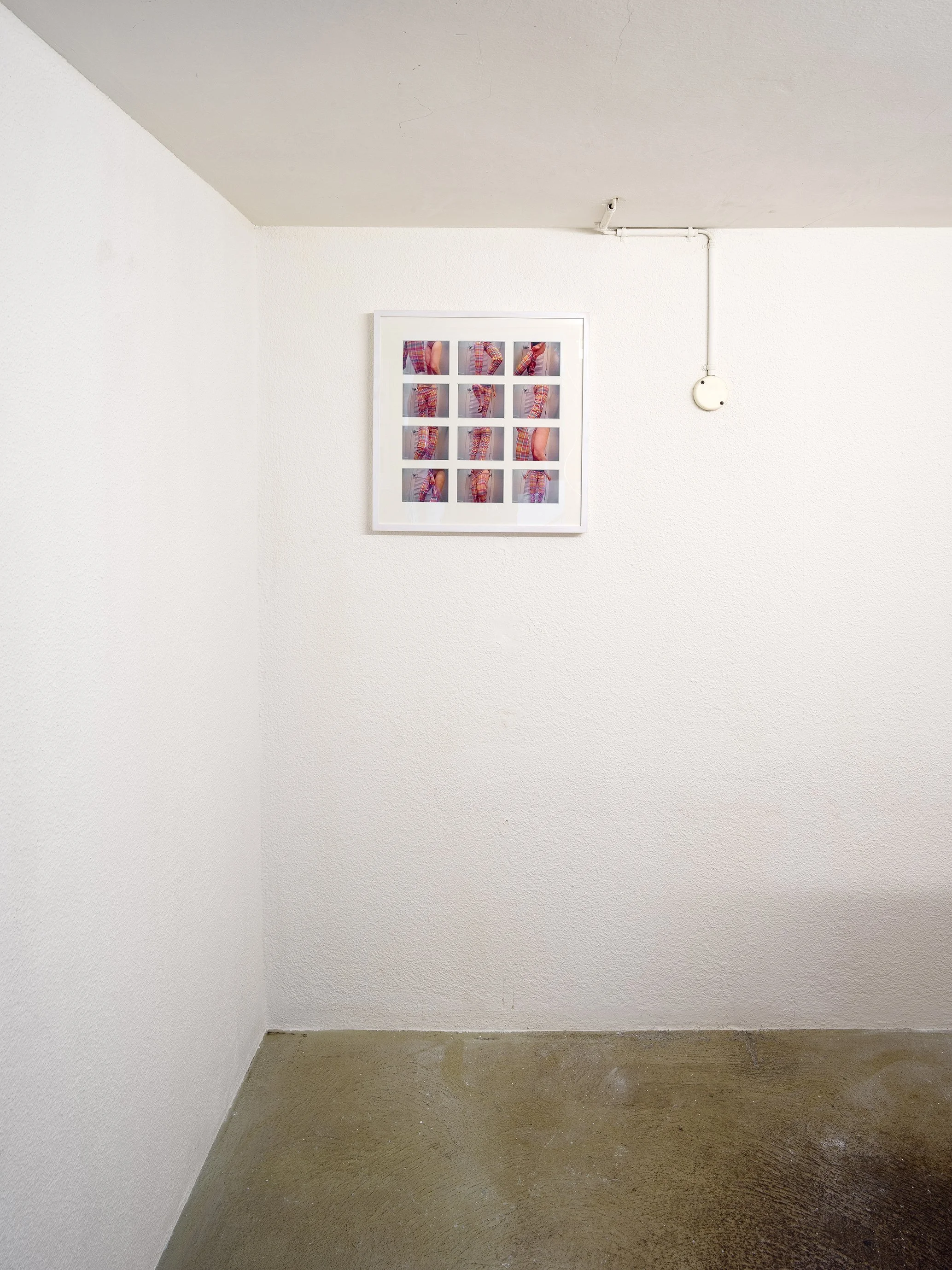
Merry Alpern, Photographic prints of stills from the artist’s 1999 film Shopping, in Passage du Commerce, Kunsthalle Winterthur, 2025. Photo: Cedric Mussano
The Waaghaus of Winterthur, in which Kunsthalle Winterthur is located, was built in 1503 as a weighing house for merchants. It played a central role in and is paradigmatic for the rising economy of the city that was later to be pivotal to the nurture of Winterthur as Switzerland’s City of Culture. The four arcades distinguishing the façade of the building formed the entrances through which wagons could enter an open hall where goods were inspected, and customs duties collected, while the upper floors of the Waaghaus housed festive halls that were used for banquets, dancing and theatre performances. Marktgasse, where the Waaghaus now sits nestled between a Magic X sex shop and a Müller drugstore, was originally a key trade route. It later grew into the town’s main marketplace, lined with merchants’ houses, workshops, and inns that catered to travellers and local craftsmen alike.
Rendered insufficient as a weighing house upon the introduction of the railway in Winterthur in 1855, the ground floor of the Waaghaus was used as a warming house, to store equipment for the fire department and as a library, while the top floor saw its halls remodelled to become the Kunstverein Winterthur’s first location until it moved to its current site as a Kunstmuseum in 1915. The beginning of the 20th century also saw retail architecture develop in Marktgasse: One of the country’s first department stores, the Rothaus, was built in 1907, for which artists such as Bendicht Fivian later designed the shop windows; and the hardware store Hasler + Co AG was finished in the style of Neues Bauen in 1933. It was only in 1970 that the galleries on the top floor of the Waaghaus, which have since become Kunsthalle Winterthur, were once again put to use.
This is the scene laid out for Passage du Commerce. A well-known tale of a commercial street developing from its mercantile past into its high-street present. Passage du Commerce refers to the painting of the same name by Balthus from 1952–54, in which a shopping street is transformed into a dreamlike stage. The figures that bring it to life appear lost in thought; they do not interact. As characters in a scene, they would be described as lacking backstories, and could be interchangeable. They should appear suspended, as though the actors were posing mid-gesture, populating the street but paradoxically detached from their surroundings in their attachment to buying. There is relish in this absurdity, in an atmosphere of seduction as well as disturbance. It is an image of alienation, symbolic of the shopping street’s transformation from a place of lively trade into one of stagnation. It is not that the street has given way to department stores as was predicted; it is that it has become one.
The exhibition stages works by artists who focus on the shopping street as a site of historical contradiction: on one hand, a lively meeting place and social space of urban life; on the other, a reflection of a consumer culture becoming increasingly uniform by repetitive brand strategies. The works of the artists populate the space and form, such is the scene laid out for us, a window into different cities. Many of them use repetition as a method to abstract and alienate, emphasising the absurd in the clash of time and aesthetics that come together in the shopping street. In their disconnected and at times nonsensical approaches, they mimic the collage of consumer culture and its fantastical performance of personality.
The exhibition, curated by Sven Gex, takes place in the third space of Kunsthalle Winterthur, which usually serves as its library, office and event room. Next year, in 2026, the Kunsthalle Winterthur will undergo renovation from April to December. The exhibition anticipates this move out of the building, reverses the situation, and brings the outside in.