Shade Théret
Daybreak
at CAMPO, SKKG
10. & 11. September 2026, 8pm
Direction, choreography, performance: Shade Théret
Original Music score and performance: Rin Suemitsu
Set Design: Filippo Tocchi & Rin Suemitsu
Costume: Clever Disguises
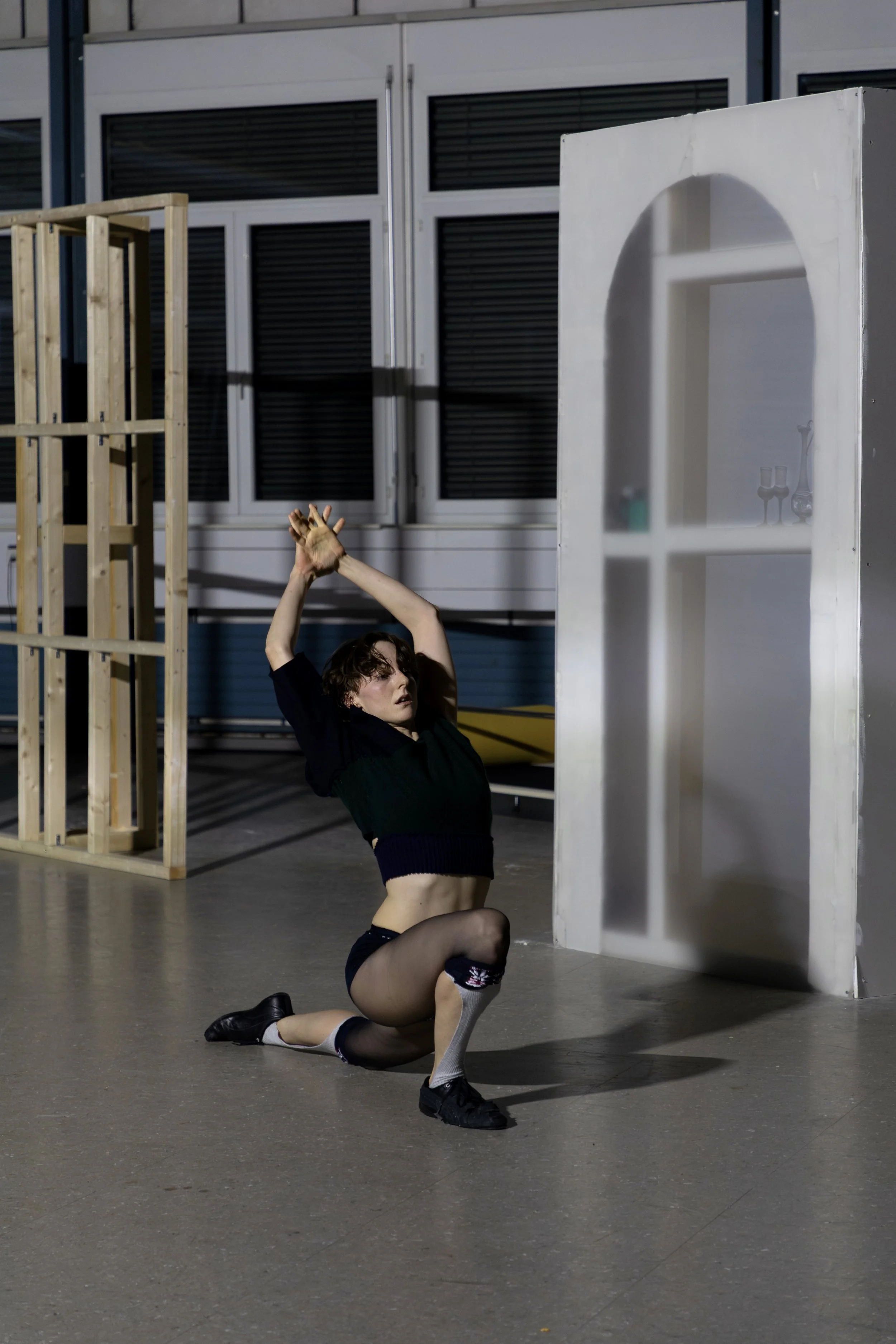
Shade Théret, Daybreak, Kunsthalle Winterthur at CAMPO, 2026. Photo: Luca Klett
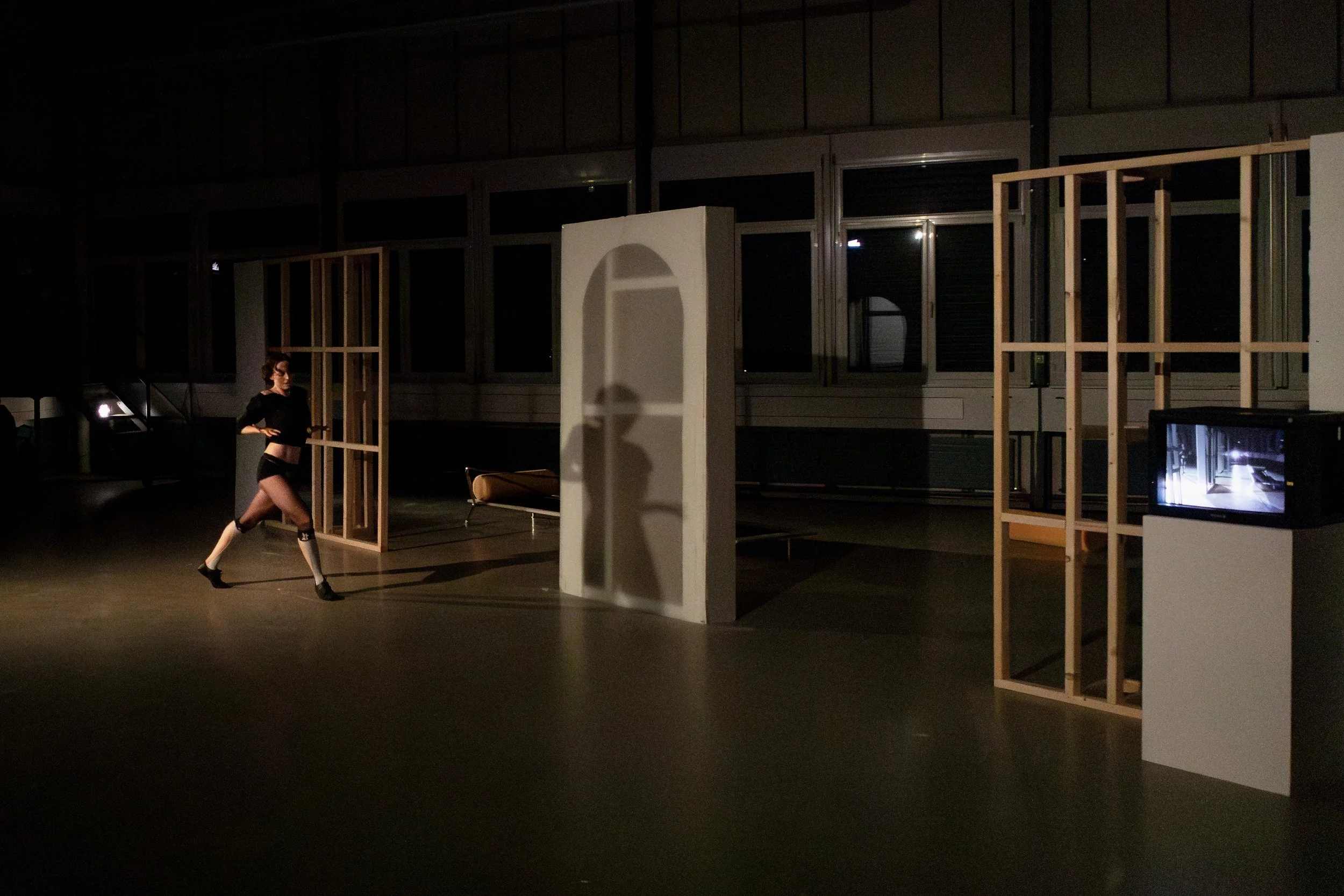
Shade Théret, Daybreak, Kunsthalle Winterthur at CAMPO, 2026. Photo: Luca Klett
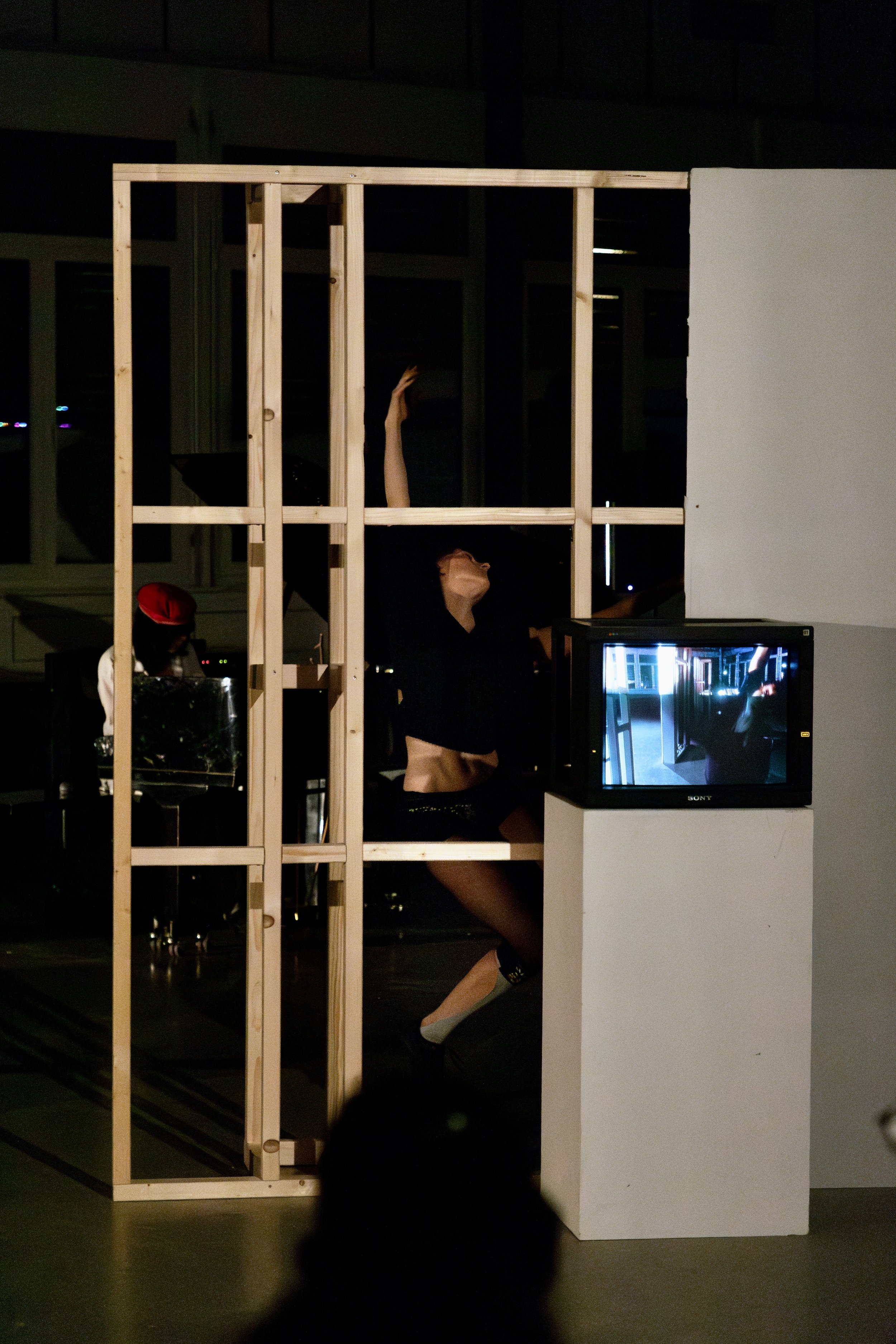
Shade Théret, Daybreak, Kunsthalle Winterthur at CAMPO, 2026. Photo: Luca Klett
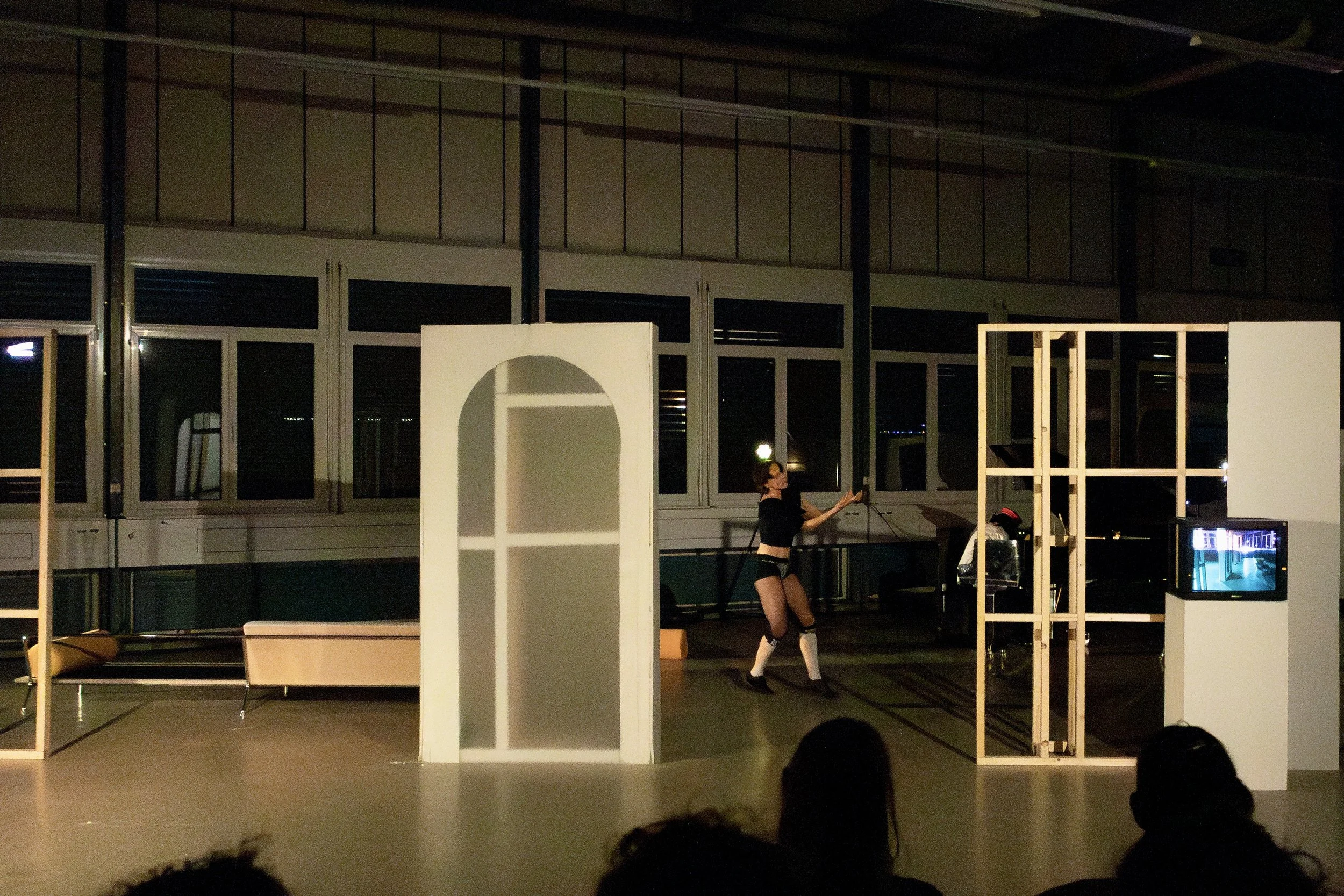
Shade Théret, Daybreak, Kunsthalle Winterthur at CAMPO, 2026. Photo: Luca Klett
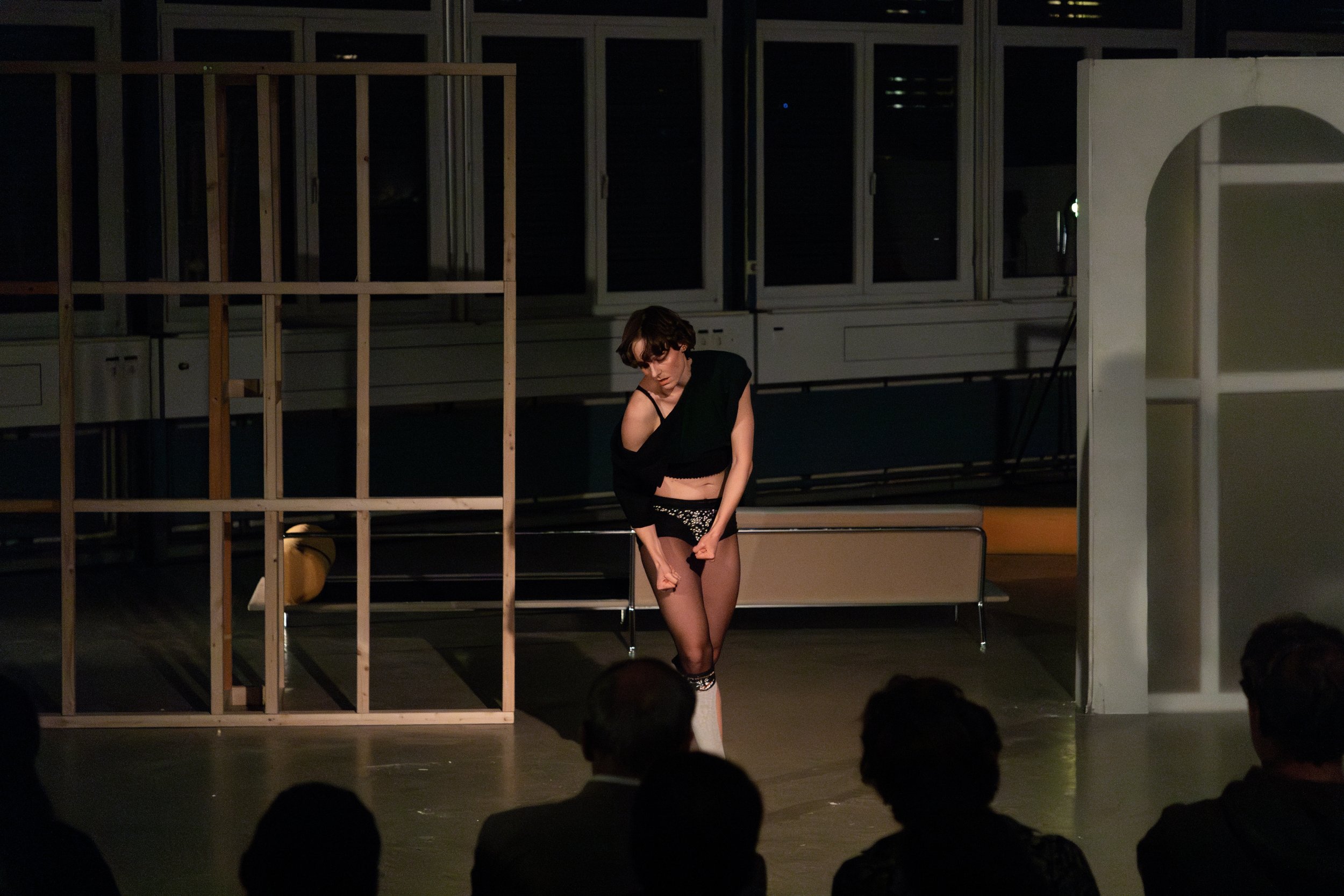
Shade Théret, Daybreak, Kunsthalle Winterthur at CAMPO, 2026. Photo: Luca Klett
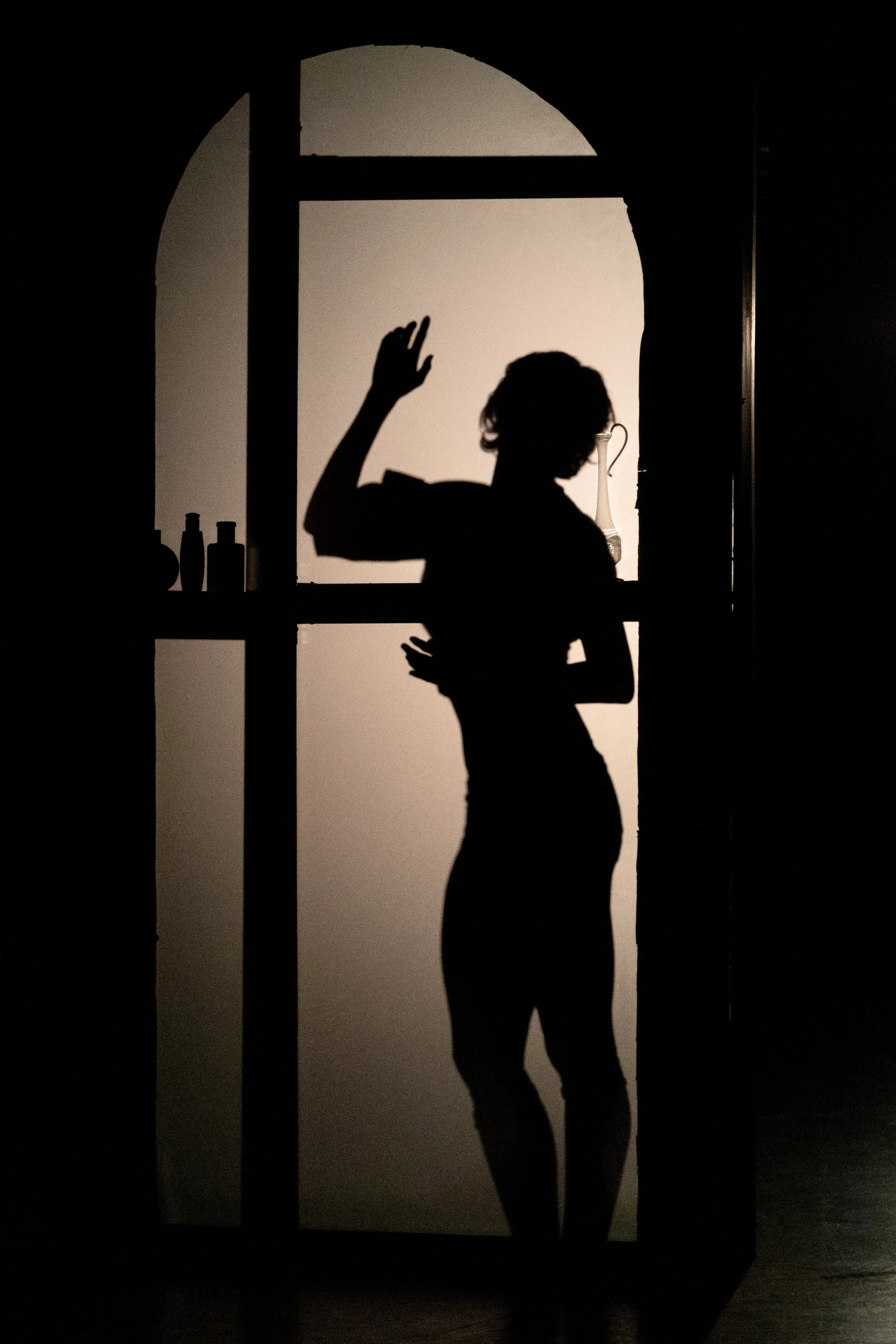
Shade Théret, Daybreak, Kunsthalle Winterthur at CAMPO, 2026. Photo: Luca Klett
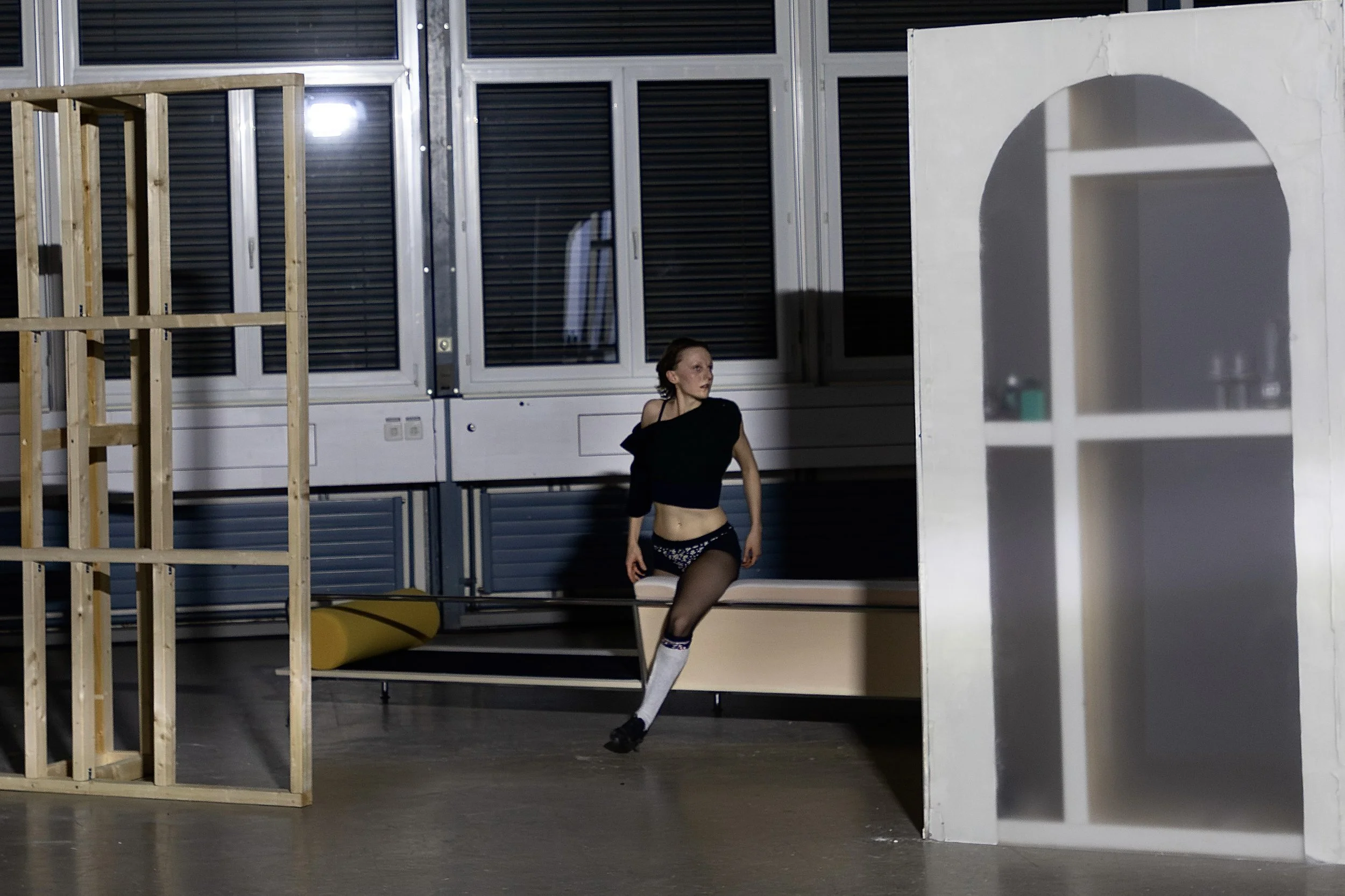
Shade Théret, Daybreak, Kunsthalle Winterthur at CAMPO, 2026. Photo: Luca Klett
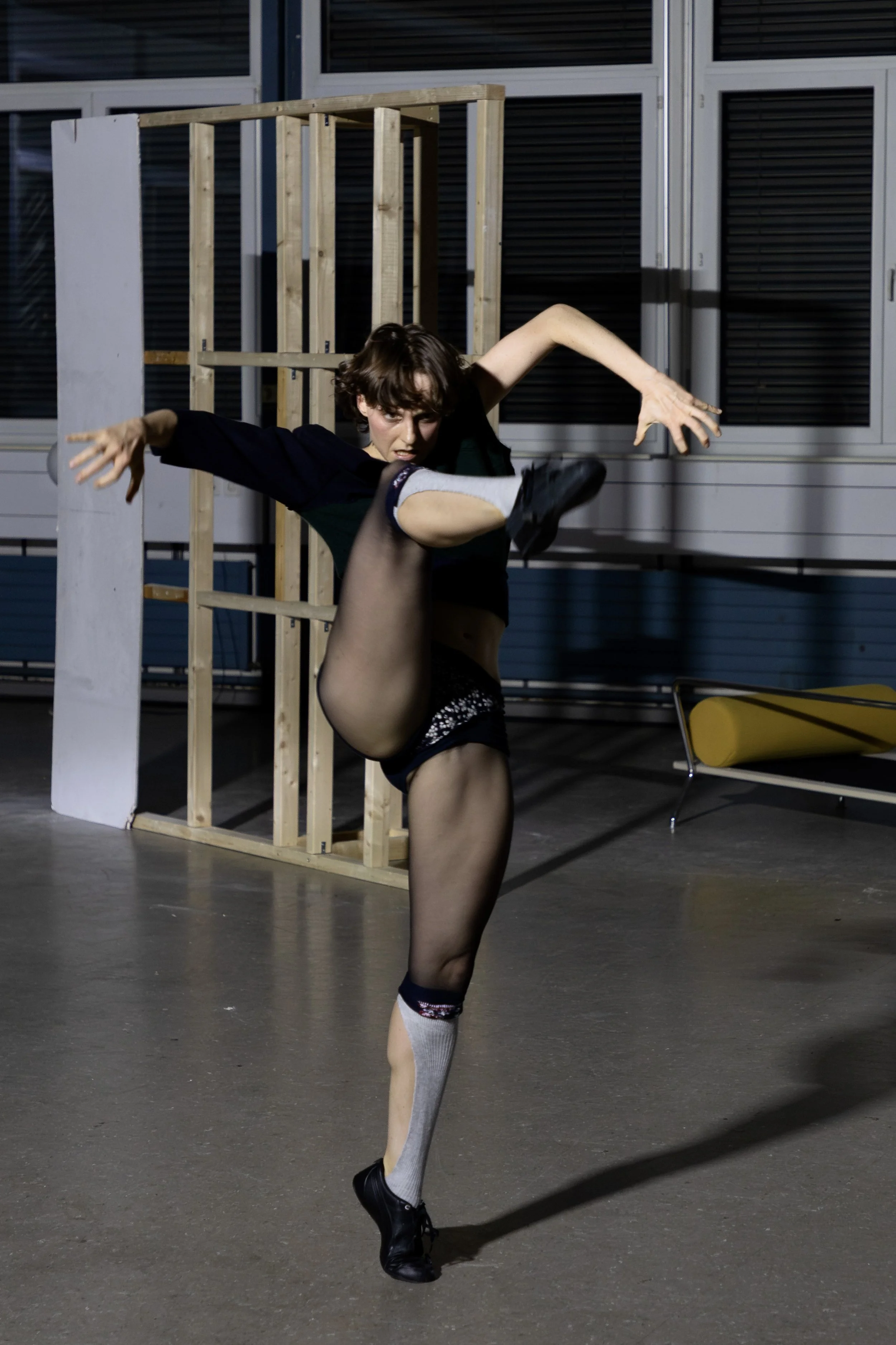
Shade Théret, Daybreak, Kunsthalle Winterthur at CAMPO, 2026. Photo: Luca Klett
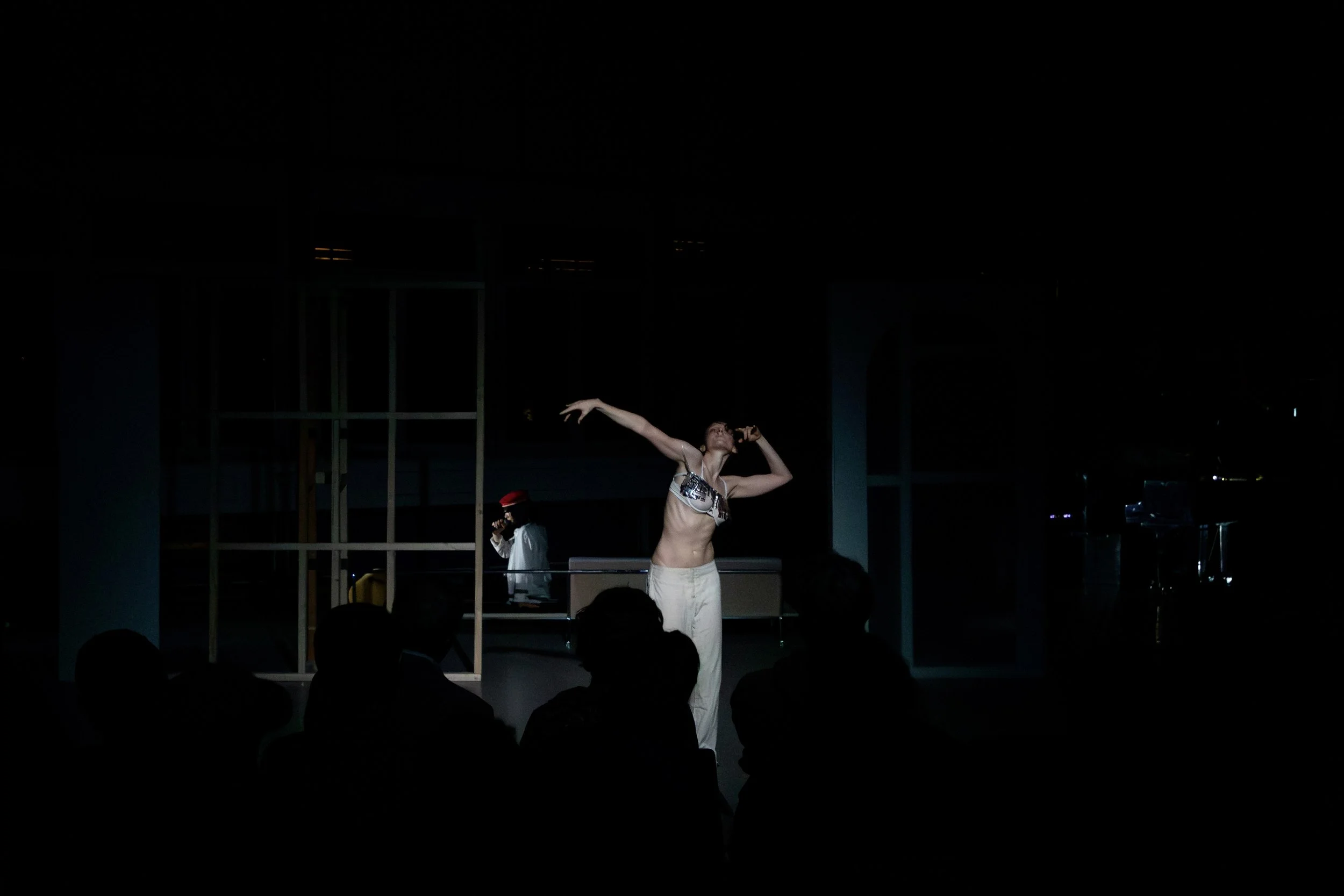
Shade Théret, Daybreak, Kunsthalle Winterthur at CAMPO, 2026. Photo: Luca Klett
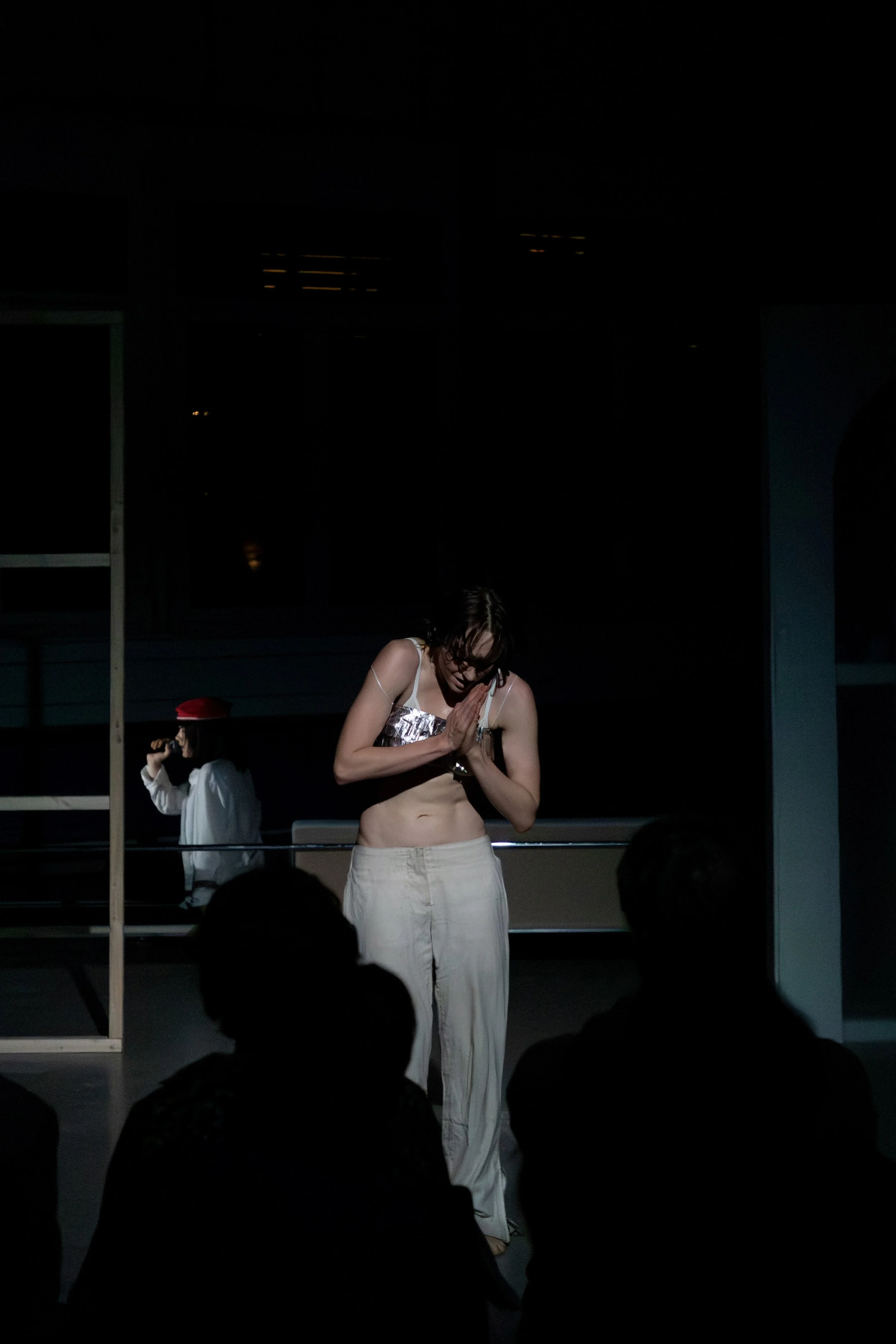
Shade Théret, Daybreak, Kunsthalle Winterthur at CAMPO, 2026. Photo: Luca Klett
“We tell ourselves stories in order to live. We interpret what we see, select the most workable of the multiple choices. We live entirely by the imposition of a narrative line upon disparate images, by the ‘ideas’ with which we have learned to freeze the shifting phantasmagoria which is our experience.” Joan Didion, The White Album
Engaging with anonymity, surveillance and the commodification of social life, choreographer and dancer Shade Théret presents Daybreak, a solo centered around the figure of the vagabond. Moving through spaces without settling into them, the vagabond refuses the structures that ask her to identify herself, participate and belong. Her transient existence becomes a way of considering autonomy, disappearance and the desire to remain outside systems of visibility and exchange.
Daybreak is informed by Nathalie Sarraute's Tropismes, which captures the fleeting, pre-conscious movements that arise through contact with the surrounding world. Attraction, withdrawal, resistance and changes in proximity become subtle forces through which the body is continually affected by its surroundings. Sarraute's attention to what takes place before sensation becomes thought or action resonates with a choreography built around the tension between order and unrest within the body. The vagabond's refusal of attachment exists alongside the impossibility of remaining untouched by the world around her.
The work unfolds in a three room chantier, segmenting the stage in broken-down handmade sets and studies of walls and domestic ruins – signs of inutility, stealth research or failed art – suggesting fragmented structures suspended between collapse and reconstruction. Improvisations around containment and release also punctuate the original score by vocalist and producer Rin Suemitsu. Expanding on the previous iteration in assemblages of electroacoustic prepared-piano compositions and written in conversation with Théret’s choreographies, the cinematic score hovers between song structures and implosions into timbre, texture, distortion and noise.
Rephrasing the Joseph Kessel novel that inspired Luis Buñuel's psychosexual drama Belle de Jour and Agnès Varda's neo-realist road film Vagabond, Daybreak imagines, refuses, immerses and revolts – through slapstick breaks, propulsions, repetitions and loops – the patriarchal projection of “the woman who goes off-piste will be punished for her desires and headed for disaster”. Against a world in which relationships, encounters and intimacy can become forms of information to be recorded, consumed, circulated and valued, the figure of the vagabond proposes disappearance as a form of resistance. Yet every encounter leaves a trace. Daybreak moves between isolation and connection, visibility and disappearance, destruction and renewal, asking what kinds of intimacy remain possible when the desire to remain untraceable meets the human impulse to be affected by the world.
Text: Shade Théret & Filippo Tocchi